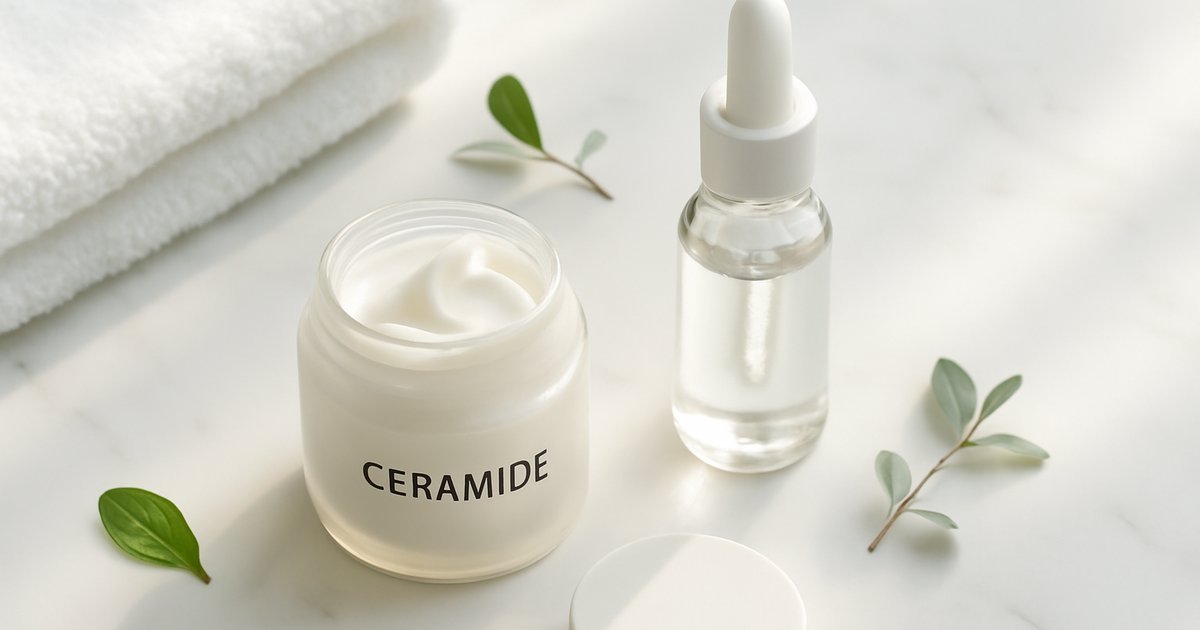
Ceramides in Skincare: Why Your Skin Desperately Needs Them
I didn’t realize my skin was starving until I finally gave it what it was missing all along.
A few years back, I was spending real money on serums, masks, and trendy actives — retinol, acids, vitamin C — you name it. My skin looked perpetually irritated, tight after cleansing, and weirdly flaky even though I wasn’t skipping moisturizer. A dermatologist took one look at my routine and asked me a simple question: "Are you using any ceramides?"
I had no idea what she was talking about.
Turns out, ceramides are one of the most foundational ingredients in skincare — and one of the most overlooked. If you’ve been dealing with dry patches, redness, sensitivity, or a skin barrier that just won’t cooperate no matter what you try, there’s a good chance ceramides are the missing piece. This guide breaks down exactly what ceramides are, why they matter so much, how to use them correctly, and which products are worth your money. No fluff, just the real stuff your skin has been waiting for.
Why Ceramides Matter More Than Most Skincare Ingredients
Your skin barrier — technically called the stratum corneum — is often described as a brick wall. The skin cells are the bricks, and ceramides are the mortar holding everything together. Without enough of that mortar, the wall starts to crumble.
According to research published in the Journal of Investigative Dermatology, ceramides make up approximately 50% of the lipid composition in the outer layer of your skin. They’re not optional extras. They’re structural necessities.
When ceramide levels drop — which happens naturally with age, sun exposure, over-exfoliation, harsh cleansers, cold weather, and stress — your skin barrier weakens. That leads to transepidermal water loss (TEWL), where moisture literally escapes through your skin. The result? Dryness, irritation, sensitivity, and a dull complexion that no serum seems to fix.
For US adults navigating everything from brutal Midwest winters to dry desert climates to office environments with aggressive air conditioning, ceramide depletion is practically a fact of life. The good news is it’s also fixable.
What Ceramides Actually Are (and the Different Types)
Ceramides are a class of lipid molecules — essentially fatty acids — that occur naturally in your skin. They’re not exotic or synthetic by nature; your body produces them. The problem is production slows down significantly after your mid-20s, and environmental factors speed up the depletion.
When you see ceramides on a product label, you’ll often notice they’re numbered or named. The most common ones in skincare include Ceramide NP, Ceramide AP, Ceramide EOP, Ceramide NS, and Ceramide EOS. Each plays a slightly different structural role in maintaining the skin barrier, but for the average person, you don’t need to memorize the differences. What matters is that a good ceramide product contains a blend of multiple types — ideally alongside cholesterol and fatty acids, which work synergistically to rebuild the barrier more effectively than ceramides alone.
The Mayo Clinic notes that skin conditions like eczema and psoriasis are strongly associated with ceramide deficiency, which is why ceramide-based moisturizers are often among the first clinical recommendations for those dealing with chronic skin sensitivity.
You’ll also see plant-derived ceramides (like phytoceramides from wheat or rice) on labels. These work similarly and are a great option for those preferring more naturally-derived formulas.
How to Add Ceramides to Your Skincare Routine
One of the best things about ceramides is that they’re incredibly easy to incorporate. They’re not like retinol, where you have to start slow and brace for purging. They’re not like vitamin C, which requires careful storage and timing. Ceramides are gentle, compatible with virtually everything, and appropriate for morning and night use.
Here’s how to work them in effectively:
Step 1: Apply ceramides after water-based steps. Ceramides are lipid-based, so they layer best after lighter, water-based serums. Think of them as a sealant. Toner → essence → serum → ceramide moisturizer is a logical flow.
Step 2: Use them on damp skin. Applying a ceramide moisturizer while your skin is still slightly damp from the previous step helps lock in hydration more effectively. You’re not just reinforcing the barrier — you’re trapping moisture beneath it.
Step 3: Don’t skip mornings. Many people reserve barrier-focused products for their nighttime routine, but ceramides genuinely shine in the morning too — especially as a buffer before sunscreen and makeup, which can otherwise stress your skin throughout the day.
Step 4: Consider a ceramide cleanser if you cleanse twice daily. Cleansing strips the skin of natural oils and ceramides. Swapping at least your morning cleanser for a ceramide-infused option (like CeraVe Hydrating Cleanser or Vanicream Gentle Facial Cleanser) significantly reduces that daily depletion cycle.
If you’re also working with active ingredients like retinol, ceramides are your best buffer. Applying a ceramide moisturizer before or over your retinol (a technique sometimes called "sandwiching") dramatically reduces irritation without significantly blunting the retinol’s effectiveness — a trick a lot of dermatologists recommend for beginners. For more on building a layered routine with actives, check out our guide on Peptides in Skincare: What They Do and Why You Need Them.
The Best Ceramide Products Worth Trying
The ceramide market has exploded in recent years, which is great for consumers but also a little overwhelming. Here’s an honest breakdown of what actually works across different price points:
Budget-friendly: CeraVe Moisturizing Cream is the gold standard for a reason. It contains three essential ceramides (1, 3, and 6-II), hyaluronic acid, and MVE technology for sustained release. Dermatologists recommend it constantly. It’s not luxurious, but it works. Consumer Reports has consistently ranked it among the top drugstore moisturizers for barrier repair.
Mid-range: Dr. Jart+ Ceramidin Cream takes it up a notch with a 5-Cera complex and a richer, more elegant texture. It’s particularly good for those with very dry or mature skin who want something that feels more indulgent without breaking the bank.
Splurge-worthy: Elizabeth Arden Advanced Ceramide Capsules are a classic for a reason — individual serum capsules that deliver concentrated ceramide treatment daily. The format keeps the formula fresh and makes dosing easy. If you’re dealing with significant barrier damage or aging concerns, this is worth the investment.
For sensitive or eczema-prone skin: Aveeno Eczema Therapy Daily Moisturizing Cream uses colloidal oatmeal alongside ceramides — a combination that the National Eczema Association has endorsed for clinical effectiveness.
If you’re curious how ceramide products layer under makeup, our comparison of Tinted Moisturizer vs Foundation covers exactly how barrier-focused base layers interact with different coverage products.
Common Mistakes People Make With Ceramides
Even though ceramides are forgiving, there are a few ways people consistently undermine their effectiveness. Watch out for these:
1. Expecting overnight results. Ceramide-based products work by gradually rebuilding your skin barrier over time — usually two to four weeks of consistent use before you notice a real difference. If you try it for three days and quit because you don’t see a glow, you’re cheating yourself out of the actual benefit.
2. Continuing to over-exfoliate while using ceramides. This is the dermatological equivalent of patching a hole in a boat while someone else keeps drilling new ones. Ceramides rebuild the barrier. Aggressive exfoliation breaks it back down. If your skin is compromised, dial back to once-weekly exfoliation at most while you focus on repair. Our guide on facial exfoliation can help you find the right frequency for your skin type.
3. Assuming one ceramide product is enough if your routine is otherwise barrier-disrupting. If you’re using a foaming, sulfate-heavy cleanser twice a day, skipping SPF (which means more UV damage to your ceramide levels), and layering harsh actives, one ceramide cream can only do so much. Ceramides work best when your whole routine supports barrier health, not fights it.
4. Overlooking ceramides in body care. Your face isn’t the only place your skin barrier matters. Elbows, knees, shins — these areas get extremely dry in winter and respond beautifully to ceramide-rich body lotions. Don’t limit your thinking to just your face.
5. Buying products that list ceramides far down the ingredient list. Ingredient lists are ordered by concentration. If ceramides appear in the last five ingredients, you’re getting a trace amount at best. Look for products where ceramides appear in the top half of the list for meaningful concentrations.
Frequently Asked Questions About Ceramides
Can I use ceramides with retinol?
Absolutely — in fact, it’s strongly recommended. Retinol can irritate the skin and weaken the barrier temporarily. Using a ceramide moisturizer alongside retinol (either before as a buffer or layered over top) significantly reduces that irritation without blocking the retinol’s anti-aging effects.
Are ceramides safe for oily or acne-prone skin?
Yes. Ceramides are not comedogenic and don’t add excess oil — they restore balance. In fact, an impaired skin barrier can trigger excess oil production as a compensatory response. Repairing the barrier with ceramides often helps normalize oil behavior over time.
How long does it take for ceramides to repair the skin barrier?
Most people notice improved hydration and reduced tightness within one to two weeks. More significant barrier repair typically shows up around the four to six week mark with consistent use. Think of it as a long-term investment, not a quick fix.
Do I need to use ceramides if my skin isn’t damaged?
Prevention is always easier than repair. Even if your skin feels fine right now, incorporating ceramides as a regular part of your routine helps slow natural ceramide depletion from aging, UV exposure, and everyday stressors. It’s like saving for retirement — you’ll thank yourself later.
Are plant-based (phyto) ceramides as effective as synthetic ones?
Research suggests they’re comparably effective at restoring barrier function. Phytoceramides from sources like wheat, rice, and sweet potato have shown solid results in clinical studies. The difference is largely philosophical — if you prefer plant-derived ingredients, you can confidently choose those options without sacrificing results.
The Bottom Line on Ceramides
After years of chasing the newest serums and active ingredients, sometimes the most powerful thing you can do for your skin is also the most foundational. Ceramides aren’t flashy. They don’t promise to erase wrinkles overnight or deliver that instant glow. What they do is give your skin back what it needs to actually function — a strong, intact barrier that holds moisture in and keeps irritants out.
Start simple. Pick one ceramide moisturizer that fits your budget, use it consistently morning and night, and give it a full month before you judge the results. Your skin isn’t broken — it’s likely just depleted. And ceramides, quietly and reliably, are exactly the kind of ingredient that can fix that.
Your clearest, calmest skin might be just a few weeks of the right routine away.