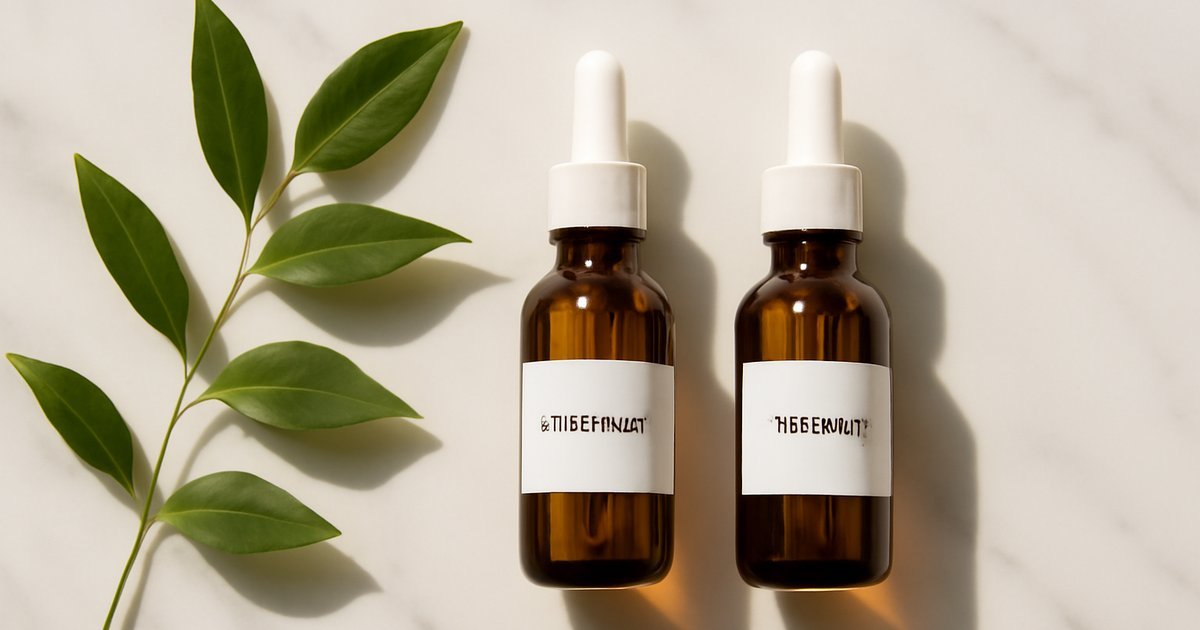
Niacinamide and Retinol: Can You Use Them Together?
Spoiler: not only can you combine them — your skin might actually thank you for it.
I spent almost a year avoiding this combination entirely. I had read somewhere online that niacinamide and retinol “cancel each other out” and just accepted it as fact. So I alternated nights, kept them in separate corners of my bathroom shelf, and honestly felt like I was doing skincare on hard mode.
Then a dermatologist friend casually mentioned over coffee that the fear around mixing niacinamide and retinol is mostly a skincare myth — and a persistent one at that. That moment sent me down a proper research rabbit hole, and what I found surprised me.
If you’ve been keeping these two ingredients apart because you heard they conflict, this guide is for you. We’re going to break down exactly how niacinamide and retinol work, why they’re actually a smart pairing for most skin types, how to layer them correctly, and what the real risks look like — because there are a few things worth knowing before you start.
Why the “Don’t Mix” Myth Won’t Die
The concern around combining niacinamide and retinol has been floating around skincare communities for years, and it stems from a reaction that can technically happen — but almost never does in real-world conditions.
The theory goes like this: niacinamide (a form of vitamin B3) and retinol can react together to form nicotinic acid, a compound that causes skin flushing and redness. Sounds alarming, right? Here’s the catch — that reaction only occurs at very high temperatures and concentrations that simply don’t exist in your bathroom routine.
A 2021 review published through the Journal of Cosmetic Dermatology confirmed that the niacinamide-retinol conversion to nicotinic acid is negligible at room temperature and at the concentrations found in over-the-counter skincare. The flushing some people experience is far more likely due to retinol irritation alone — not the pairing.
The myth persists partly because retinol itself can cause initial redness and dryness, and when people layer products, they naturally blame the combination rather than the active they just introduced. It’s a very human thing to do, but it’s kept a lot of people from a genuinely effective skincare duo.
What Each Ingredient Actually Does for Your Skin
Before you layer anything, it helps to understand what you’re working with. These two actives are heavy hitters, but they work through very different mechanisms — and that’s actually part of why they complement each other so well.
Retinol is a vitamin A derivative that works deep within the skin. It speeds up cell turnover, encourages collagen production, fades hyperpigmentation, and addresses fine lines over time. It’s one of the most research-backed anti-aging ingredients available without a prescription. The downside? It can be irritating, especially when you’re first starting out or if you’re using a higher concentration. Dryness, flaking, and redness are common in the adjustment phase.
Niacinamide is a water-soluble form of vitamin B3 that works primarily at the skin’s surface and within the upper dermal layers. It strengthens the skin barrier, regulates oil production, minimizes the appearance of pores, brightens uneven tone, and — here’s the key — reduces inflammation. According to research cited by the American Academy of Dermatology, niacinamide at 4-5% concentration is effective at reducing hyperpigmentation and improving barrier function without the irritation profile of exfoliating acids.
See the natural pairing? Retinol pushes your skin to renew itself, and niacinamide calms the irritation that process can create while reinforcing your skin’s protective barrier. They’re not fighting — they’re balancing each other.
How to Layer Niacinamide and Retinol the Right Way
The good news is that layering these two doesn’t require a chemistry degree. There are really two approaches that work well depending on your skin type and how sensitive you are to retinol.
Option 1: Niacinamide first, then retinol. Apply your niacinamide serum after cleansing, let it absorb for about 60 seconds, then apply your retinol. This is the most common and well-tolerated approach. The niacinamide creates a slight buffer that can reduce retinol-related sensitivity — particularly helpful if you’re still in the adjustment phase.
Option 2: Retinol first, then niacinamide. If your skin is more experienced with retinol and you don’t experience much irritation, you can flip the order. Retinol goes on clean, dry skin; niacinamide follows as a soothing, barrier-supporting layer. Some dermatologists prefer this order because it allows retinol maximum contact with the skin before a second product is applied.
Either way, do this at night. Retinol degrades in sunlight and makes your skin more photosensitive, so a solid morning SPF (always, regardless) is non-negotiable. If you want a deep dive on sunscreen strategy, our Facial Toner Guide also touches on how prep steps affect absorption throughout your routine.
One more practical note: if you’re new to retinol, start with a low concentration (0.025% to 0.05%) two to three nights per week. Add niacinamide daily — morning and evening — as the supporting act. Only increase retinol frequency once your skin has adjusted, typically after four to six weeks.
Who Benefits Most From This Combination
Not everyone needs both actives in their routine, but there are specific skin concerns where this pairing really earns its place.
If you have hyperpigmentation or uneven tone: This is arguably where the combo shines brightest. Retinol accelerates the shedding of pigmented skin cells; niacinamide interferes with melanin transfer to the skin’s surface. A Harvard Medical School dermatology overview noted that combining ingredients that target melanin production at different points in the pathway tends to produce more significant brightening results than any single ingredient alone.
If you have oily or acne-prone skin: Retinol helps normalize cell turnover in clogged pores; niacinamide regulates sebum production and reduces post-acne redness. It’s a strong pair if you’re dealing with both active breakouts and the marks they leave behind. You might also find our Oily Skin Care Routine guide useful for thinking about the full picture.
If you’re over 30 and building an anti-aging routine: Retinol is your long-game investment; niacinamide is the daily barrier support that keeps your skin healthy enough to tolerate retinol consistently over time. Together, they address fine lines, texture, and tone — the three biggest aesthetic concerns for adults in this age range.
If you have sensitive or reactive skin: This is the one case where you’d want to be more cautious. Niacinamide is extremely well-tolerated, but retinol can still be challenging for very sensitive skin. Go slowly, use the lowest concentration available, and consider applying a thin layer of moisturizer before your retinol (the so-called “buffer method”) to reduce direct skin contact. If your skin barrier is already compromised, check out our guide on Dry Skin Care Routines for barrier-building strategies first.
Common Mistakes to Avoid When Using These Together
Even a good pairing can go sideways if the execution is off. Here are the mistakes I see most often — and that I personally made in my own trial-and-error phase.
Using too high a retinol concentration too soon. People see results from retinol and want to jump straight to 0.5% or 1%. The adjustment phase is real, and skipping it causes unnecessary irritation, dryness, and the temptation to quit altogether. Build up slowly. Your skin will thank you in three months.
Skipping moisturizer. Both ingredients, especially retinol, work best when the skin isn’t already dehydrated and stressed. A good moisturizer — applied after both actives — locks in hydration and reduces the tight, dry feeling that can come with consistent retinol use. Don’t treat moisturizer as optional in this routine.
Mixing in acids on the same night. Niacinamide and retinol are a smart pairing. Niacinamide, retinol, AND an AHA or BHA on the same night is asking for trouble, especially if your skin is sensitive. If you exfoliate with glycolic or salicylic acid, keep those on separate nights from your retinol application.
Forgetting SPF the next morning. Retinol makes your skin more vulnerable to UV damage. Skipping SPF while using retinol — even occasionally — undermines a lot of the progress you’re working toward and increases the risk of irritation and sun damage. Daily broad-spectrum SPF 30 or higher is mandatory.
Expecting overnight results. This is a slow-build routine, not a quick fix. Most people don’t see significant changes from retinol until eight to twelve weeks of consistent use. Niacinamide brightening effects tend to show up earlier — around four to six weeks — but patience is the whole game here.
Frequently Asked Questions
Can niacinamide and retinol be used every night?
Niacinamide can be used every night (and even mornings) without issue. Retinol, especially when you’re starting out, should be used two to three nights per week and gradually increased. Even experienced users rarely need to use retinol every single night — three to five times per week is typically more than sufficient for results.
Do I need both in the same product, or should I keep them separate?
Separate products give you more control over concentrations and application order. Some brands do offer combination formulas, and these can be a good beginner option since the formulation is designed for stability. But if you want to customize strength and layering, keeping them as separate serums is the more flexible approach.
Will this combination help with dark spots?
Yes — this is one of the strongest over-the-counter options for hyperpigmentation. Niacinamide reduces melanin transfer; retinol speeds up cell turnover so pigmented cells shed faster. Give it a consistent twelve weeks before evaluating results.
Is it safe to use niacinamide and retinol during pregnancy?
Niacinamide is generally considered safe during pregnancy. Retinol is not recommended — most OB-GYNs advise avoiding all vitamin A derivatives during pregnancy and breastfeeding. Always check with your healthcare provider for personalized guidance.
What if my skin gets really red or irritated?
Scale back your retinol frequency first. Drop to once a week, use a buffer (apply moisturizer before retinol), and make sure your niacinamide is still in your daily routine to support the barrier. If irritation persists after several weeks, consider switching to an even lower concentration of retinol or consulting a dermatologist.
The Bottom Line
Here’s what I wish I had known before spending a year keeping these two on opposite sides of my bathroom shelf: niacinamide and retinol are not enemies. They are, for many skin concerns, a genuinely complementary team.
Niacinamide brings the calm, the barrier support, and the brightening. Retinol brings the deep-level cell renewal and the long-game anti-aging benefits. Used correctly, they make each other more effective and more tolerable.
Start slow with the retinol, keep your niacinamide consistent, don’t skip the moisturizer or SPF, and give it a solid three months before you judge the results. That’s the whole strategy — and it’s one that dermatologists and research both back up.
Your next step? If you haven’t added niacinamide to your routine yet, start there. It’s one of the most forgiving, well-researched actives available, and it sets a strong foundation for everything that comes after.