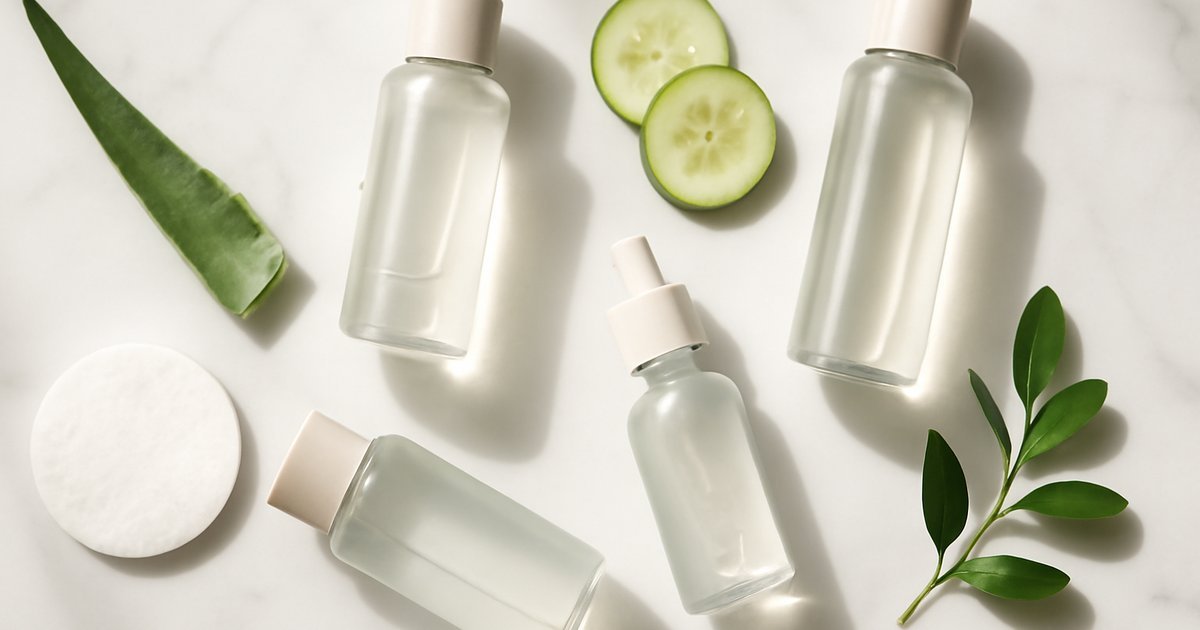
Facial Toner Guide: Do You Actually Need One?
I skipped toner for years — until one ingredient changed everything I thought I knew about my skin.
For the longest time, my skincare routine had a suspicious gap between my cleanser and my serum. Friends swore by their toners. Beauty editors called them essential. But every time I picked one up at the drugstore, I’d read the label, shrug, and put it back on the shelf.
Then I started breaking out along my jawline every single month, and my moisturizer seemed to just sit on top of my skin rather than absorb. A facialist suggested I try adding a toner — specifically one with balanced pH and skin-supporting actives. Three weeks later, I was annoyed. Not because it didn’t work. Because it absolutely did, and I’d wasted years ignoring this step.
So: do you actually need a facial toner? The honest answer is — it depends, and I’ll break down exactly when it makes a difference and when it doesn’t. By the end of this guide, you’ll know whether toner belongs in your routine, which type matches your skin, and how to use it so it actually does something.
Why Toner Has Such a Complicated Reputation
Toner’s bad rap is mostly well-deserved — but it’s also outdated. The toners of the 1990s and early 2000s were largely alcohol-heavy astringents designed to strip oil from skin. They worked, in the worst possible way: by damaging your skin barrier and leaving your face tight, dry, and reactive.
According to the American Academy of Dermatology, over-stripping the skin with harsh cleansers or alcohol-based products is one of the leading causes of chronic dryness and increased oil production — your skin literally overcompensates when it’s been stripped. Those old-school toners were essentially making skin problems worse while giving people the illusion of clean.
Modern toners are almost an entirely different product category. Today’s formulas are often hydrating, pH-balancing, or active-ingredient delivery vehicles. Think hyaluronic acid toners, niacinamide mists, gentle exfoliating toners with lactic acid, and antioxidant-rich essences influenced by Korean skincare routines. The word “toner” is now an umbrella term covering everything from a glorified water rinse to a targeted treatment step.
The confusion? The name stayed the same even as the product evolved. So a lot of adults are still mentally picturing Sea Breeze when someone says “toner,” and they opt out entirely — missing out on what some of these modern formulas can genuinely do.
What Modern Toners Actually Do (When They Work)
The core function of a well-formulated toner is to prep your skin for everything that comes after it. Think of it like priming a wall before you paint — it helps your serums and moisturizers penetrate more evenly and effectively.
A 2023 study published in the Journal of Cosmetic Dermatology found that applying hydrating actives like niacinamide and panthenol to slightly damp skin — as opposed to dry skin — increased absorption rates by up to 40%. This is exactly the job a good hydrating toner does: it adds a thin layer of moisture so your next products don’t just sit on the surface.
Here’s what different toner types actually deliver:
Hydrating toners (often called essences or hydrating mists) add a layer of humectants — glycerin, hyaluronic acid, aloe — that plump and prep skin. These are genuinely useful for dry and combination skin types.
Exfoliating toners use AHAs (like glycolic or lactic acid) or BHAs (like salicylic acid) to gently resurface skin and clear pores over time. These are better suited for oily, acne-prone, or textured skin. If you’re curious about how exfoliating acids layer into a routine, the complete glycolic acid guide on this site covers the mechanics really well.
Balancing toners focus on restoring your skin’s pH after cleansing, which sits around 4.5–5.5. Some cleansers, especially foaming ones, temporarily raise your skin’s pH. A balancing toner can help bring it back to the range where your skin’s natural protective functions work best.
Active toners deliver concentrated ingredients — niacinamide, vitamin C, retinol — in a lightweight, easy-to-layer format. These can double as a serum step for people who prefer minimal routines.
How to Choose the Right Toner for Your Skin Type
Not every toner works for every person. Picking the wrong type is actually worse than skipping it entirely, which is probably why so many people end up disappointed.
Consumer Reports and skincare experts both recommend starting with your primary skin concern rather than your overall skin type — because those don’t always lead to the same product.
If you have dry or dehydrated skin: Look for alcohol-free hydrating toners with ingredients like hyaluronic acid, glycerin, ceramides, or beta-glucan. Apply immediately after cleansing while your skin is still slightly damp. Avoid anything labeled "clarifying" or "pore-refining" — those usually have astringent properties that’ll make dryness worse. For deeper context on layering humectants, the breakdown of hyaluronic acid vs glycerin is worth a read.
If you have oily or acne-prone skin: A low-concentration BHA toner (0.5%–2% salicylic acid) used two to three times a week can make a real difference in keeping pores clear without stripping. Niacinamide-based toners also help regulate sebum production over time. Avoid heavy essences or oil-based formulas — they can clog pores rather than balance them.
If you have combination skin: This is where toner gets a little nuanced. A lightweight hydrating toner works well overall, but you might also try applying a mild exfoliating toner only to your T-zone. Some people with combination skin find that skipping toner on drier areas and using it selectively on oilier zones is the smartest approach.
If you have sensitive or reactive skin: Proceed carefully. Look for fragrance-free, alcohol-free formulas with soothing ingredients — centella asiatica, allantoin, green tea extract. Patch test for at least 48 hours before applying to your full face. Exfoliating toners are generally not recommended until your barrier is stable and resilient.
How to Actually Use a Toner (So It Does Something)
Application method matters more than most people realize. The way you apply toner affects how much of it your skin can absorb and how well it preps the layers underneath.
There are two main methods:
Cotton pad: Traditional method, still effective for exfoliating toners. Soak a cotton pad and swipe it across your face in gentle upward strokes. This method provides very light physical exfoliation and removes any remaining residue your cleanser missed. The downside is product waste — cotton absorbs a lot of liquid that never reaches your skin.
Hands (patting method): Pour a small amount — about a nickel-sized pool — into your palms and gently press it into your face in patting motions. This is the preferred method for hydrating toners and essences. It wastes less product and pushes moisture into the skin more effectively than wiping across the surface.
Timing also matters. Apply your toner immediately after cleansing, while your face is still slightly damp. Wait about 20–30 seconds after applying before moving on to your serum — long enough for it to partially absorb, but not so long that it fully dries down. Layering while skin is still slightly tacky helps bind the next product to your face rather than letting it roll off.
How often should you use it? Hydrating toners can be used morning and night. Exfoliating toners are typically better at night, two to four times per week maximum, depending on your skin’s tolerance. If you’re new to actives, start with twice a week and build from there.
Common Toner Mistakes That Make Your Skin Worse
Even a great toner can backfire if you use it wrong. These are the most common errors people make — and why they matter.
Mistake 1: Using an alcohol-heavy toner on already dry or sensitive skin. Denatured alcohol evaporates fast and feels refreshing in the moment, but it disrupts your skin barrier over time. If your toner lists alcohol or SD alcohol in the first five ingredients, it’s designed to cut oil aggressively — which is only appropriate for very oily skin types, and even then, sparingly.
Mistake 2: Using an exfoliating toner every day, especially alongside other actives. Layering a glycolic acid toner with a retinol serum and a vitamin C moisturizer every single day is a recipe for a compromised skin barrier — redness, flaking, stinging, and breakouts. More actives does not equal better skin. Alternate your exfoliating toner on nights you’re not using retinol.
Mistake 3: Applying toner to completely dry skin and then waiting too long to layer. If you apply a hydrating toner and then spend five minutes checking your phone before putting on your serum, you’ve lost the benefit. The window of slightly-damp skin is short. Have everything staged and ready before you start.
Mistake 4: Choosing toner by scent or texture alone. Toners with heavy fragrance — even natural fragrance like rose or lavender — can irritate skin over time, especially around the eyes and on reactive patches. A toner might smell incredible and still be wrong for your skin. Check the ingredient list, not just the marketing copy on the front of the bottle.
Mistake 5: Expecting toner to solve a problem better addressed elsewhere. Toner won’t fix deep acne, reverse pigmentation on its own, or replace your moisturizer. It’s a supporting player, not a star. If you’re using it to compensate for a cleanser that’s too harsh or skipping SPF, you’re treating symptoms, not causes. Check out the guide to dry skin routines that actually work if you’re dealing with persistent dryness that toner isn’t resolving.
Frequently Asked Questions About Facial Toners
Do I need a toner if I already use a serum?
Not necessarily. If your serum is already delivering the hydration or actives you need, a toner might be redundant. That said, if your serum seems to absorb unevenly or sits on top of your skin rather than sinking in, a hydrating toner can genuinely improve results by prepping the surface first.
Can I use a toner if I have sensitive skin?
Yes, but choose carefully. Stick to alcohol-free, fragrance-free formulas with calming ingredients like centella asiatica, allantoin, or beta-glucan. Avoid all exfoliating toners until your skin barrier is healthy and stable.
Is toner the same as micellar water?
No. Micellar water is a gentle cleansing product that removes makeup and surface impurities. Toner is applied after cleansing as a prep step. They serve different purposes and aren’t interchangeable, though some brands blur the line with hybrid formulas.
How long does it take to see results from a toner?
Hydrating toners can produce visible results — plumper, more comfortable skin — within a few days. Exfoliating toners typically take four to six weeks of consistent use to visibly improve texture, pore appearance, or tone evenness. Give any new product at least a full skin cycle (about 28 days) before judging its effectiveness.
Should I use toner in the morning or at night?
Hydrating toners work great in both AM and PM routines. Exfoliating toners are generally better at night, since acids can increase sun sensitivity and you want to follow with SPF in the morning regardless. If you do use an exfoliating toner in the morning, SPF 30+ is non-negotiable.
The Bottom Line: Is Toner Worth It?
Here’s the honest answer: for many people, a well-chosen toner genuinely improves how their skin looks and how well the rest of their routine performs. For others — especially those with simple, balanced skin and an already-optimized routine — it’s a nice-to-have rather than a must-have.
The key is matching the formula to your actual skin needs, not buying a toner because it’s in your favorite influencer’s flat lay. If your skin feels tight after cleansing, a hydrating toner might be exactly what’s missing. If you’re struggling with texture or congested pores, a gentle exfoliating toner a few nights a week could make a real dent over time.
Start with one targeted formula, use it consistently for four weeks, and pay attention to how your skin responds. That’s more useful than any ingredient trend — and it’s how you’ll know whether toner earns a permanent place on your bathroom shelf.