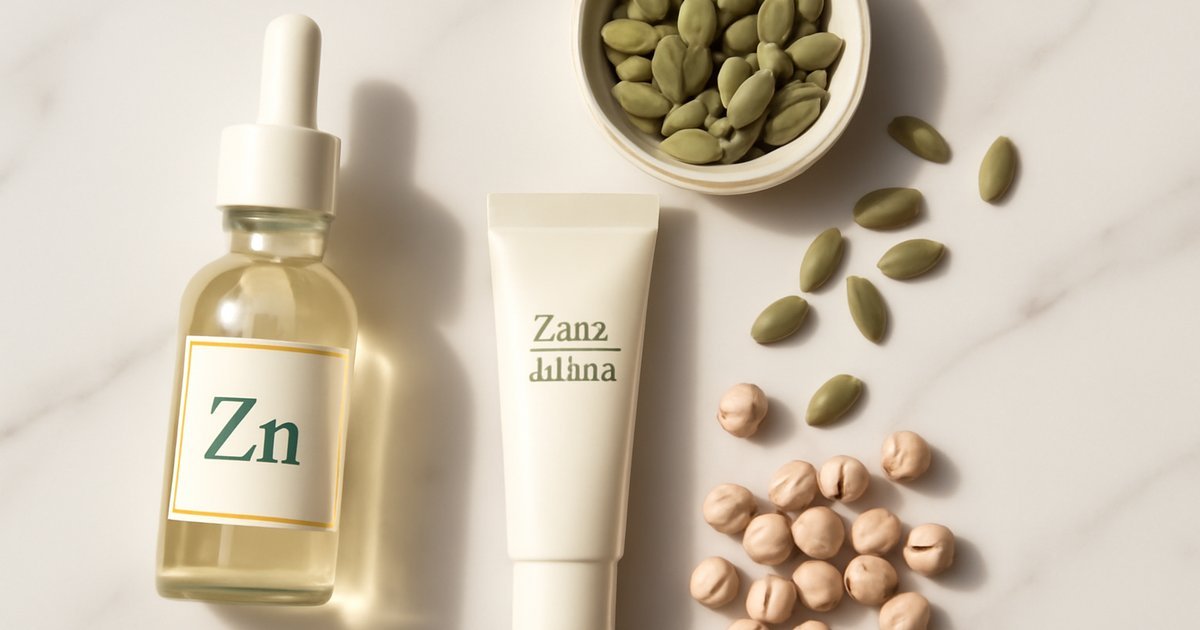
Zinc for Skin: The Overlooked Mineral Your Routine Needs
I swapped one ingredient and my stubborn breakouts finally started clearing up — turns out, I’d been ignoring zinc my entire skincare life.
A few years ago, I was deep in what I’d call my "ingredient obsession phase." Retinol? Done. Niacinamide? Stocked up. Vitamin C serums? I had three. But no matter how carefully I layered my actives, I kept dealing with the same issues — oily patches by noon, small clusters of hormonal breakouts along my jawline, and a complexion that looked perpetually inflamed.
A dermatologist friend finally asked me a simple question: "Are you using anything with zinc?" I wasn’t. And honestly, I didn’t think much of it at first — zinc felt like a sunscreen ingredient or something you’d find in a diaper rash cream, not a powerhouse skincare active.
I was wrong. Within a few weeks of incorporating zinc into both my diet and topical routine, my skin looked noticeably calmer. This guide breaks down everything you need to know about zinc for skin — what it actually does, the best forms to use, who benefits most, and how to work it into your existing routine without disrupting what’s already working.
Why Zinc Deserves a Spot in Your Skincare Routine
Zinc has been used in dermatology for decades, but it’s finally getting mainstream skincare attention — and for good reason. It’s not a trendy ingredient with a 12-month hype cycle. It’s a clinically studied mineral with a well-documented track record.
According to the American Academy of Dermatology, zinc is one of the few over-the-counter ingredients with genuine evidence behind its use for acne, inflammation, and wound healing. A 2020 review published in the journal Dermatology and Therapy found that zinc plays a critical role in regulating skin cell production, reducing sebum output, and modulating inflammatory pathways — three mechanisms that directly affect how your skin looks and feels day to day.
For US adults navigating everything from stress-induced breakouts to early signs of aging, zinc offers something rare: broad-spectrum benefits without a steep learning curve or irritation risk. It works quietly and consistently, which is exactly what an overloaded routine often needs.
What Zinc Actually Does for Your Skin
Let’s get specific, because "zinc is good for skin" doesn’t tell you anything useful. Here’s what it’s actually doing at the cellular level — and why that matters for you.
Controls excess oil production. Zinc inhibits the activity of 5-alpha-reductase, an enzyme that converts testosterone into DHT — a hormone directly linked to sebum overproduction. If your skin gets shiny by mid-morning or your pores look enlarged, this is the mechanism you want addressed. A study from UCLA’s Department of Dermatology confirmed that topical zinc formulations reduced sebum production in participants with oily and acne-prone skin within eight weeks of consistent use.
Calms inflammation. Zinc is a natural anti-inflammatory. It helps regulate the immune response that causes redness, swelling, and sensitivity. This is why you’ll find it in formulations designed for rosacea-prone or reactive skin — it doesn’t just mask the redness, it works on the underlying trigger.
Supports wound healing and cell turnover. Zinc is essential for collagen synthesis and DNA repair. When you have a popped pimple, a small cut, or post-inflammatory marks, zinc helps your skin rebuild tissue faster. The Mayo Clinic has long acknowledged zinc’s role in wound healing protocols, and that same biology applies to how quickly your skin recovers from everyday damage.
Protects against UV and environmental stress. Zinc oxide — the physical sunscreen ingredient — sits on the skin’s surface and reflects UV rays rather than absorbing them. It’s one of the most stable and non-irritating forms of sun protection available, which is why it’s the gold standard for sensitive skin and children’s sunscreens alike.
The Best Forms of Zinc for Skin (Topical vs. Oral)
This is where most people get confused. Zinc comes in multiple forms, and which one you use matters depending on your specific concern.
Topical zinc forms:
- Zinc oxide — Best for sun protection and barrier support. Gentle enough for daily use and reactive skin. Look for it in mineral sunscreens, BB creams, and barrier repair formulas. It’s the form with the most clinical backing for topical use.
- Zinc PCA — A water-soluble form combined with pyrrolidone carboxylic acid. Excellent for sebum control and acne without drying the skin out. You’ll find it in serums and toners targeted at oily skin.
- Zinc gluconate — Often used in acne formulations for its anti-inflammatory and antibacterial properties. Some research suggests it can be as effective as low-dose antibiotics for mild to moderate acne.
- Zinc sulfate — Found in older, more medicinal formulations. Effective but can be drying for some skin types — worth noting if you have dry or sensitive skin.
Oral zinc: If your skin concerns are systemic — hormonal acne, slow healing, dullness — topical zinc alone won’t cut it. A deficiency in dietary zinc (which is more common than you’d think, especially in people eating low-meat diets) can show up directly on your skin. Research from Harvard Medical School notes that zinc deficiency is associated with increased acne severity, delayed wound healing, and impaired skin barrier function.
Zinc picolinate and zinc glycinate are the most bioavailable oral forms. The recommended daily intake for adults is 8–11 mg, but don’t exceed 40 mg daily without a doctor’s guidance — too much zinc can actually interfere with copper absorption and cause GI discomfort.
If you’re curious about how zinc pairs with other actives, understanding your skincare layering order is essential — zinc-based products generally go on after water-based serums and before heavier moisturizers.
Who Benefits Most From Zinc in Their Routine
Not every ingredient is universal, and zinc is no exception. Here’s an honest breakdown of who tends to see the most noticeable results.
Oily and acne-prone skin: This is zinc’s strongest category. If you’re dealing with congested pores, recurring blackheads, or hormonal breakouts, zinc PCA or zinc gluconate in your routine can make a measurable difference. It won’t replace a salicylic acid treatment for deep-pore cleaning, but it works beautifully alongside it.
Sensitive and rosacea-prone skin: Zinc oxide is one of the safest ingredients available for reactive skin types. Unlike many actives, it has virtually no irritation risk, making it ideal for people who’ve been burned (sometimes literally) by stronger formulations.
Adults dealing with post-acne marks: If you’re in the frustrating phase of clearing active acne but still dealing with dark spots and hyperpigmentation, zinc’s role in skin repair can help speed up the fading process. Combine it with a dedicated brightening ingredient — tranexamic acid is an excellent pairing — for more visible results.
Adults over 35 focusing on prevention: Zinc’s antioxidant properties help neutralize free radical damage, and its role in collagen synthesis makes it a quiet anti-aging ally. It won’t replace retinol, but it supports the structural maintenance retinol is working toward.
Dry skin types: Honest trade-off here — zinc sulfate can be drying, so if you have dry or dehydrated skin, choose zinc oxide or zinc PCA instead and make sure you’re using a solid moisturizer underneath.
Common Mistakes When Using Zinc for Skin
Even a well-tolerated ingredient can underperform if you’re using it the wrong way. These are the most frequent missteps I see.
1. Expecting overnight results. Zinc is not a fast-acting active like a chemical exfoliant or a clearing spot treatment. Its benefits — sebum regulation, reduced inflammation, stronger barrier — build over weeks of consistent use. Give it at least six to eight weeks before evaluating whether it’s working.
2. Overdoing oral supplementation. More is not better here. Excess zinc competes with copper absorption and can cause nausea, headaches, and immune dysfunction. If you’re eating a varied diet with meat, legumes, and seeds, you may not need supplementation at all. Get your levels checked before adding a zinc supplement to your routine.
3. Using it incorrectly in your routine. Zinc oxide in a physical sunscreen goes on last in your AM routine (after moisturizer, before makeup). Zinc serums go on earlier, after cleansing and toning. Mixing up the order reduces efficacy and can sometimes cause pilling or poor absorption.
4. Expecting zinc to do the job of an antibiotic. If you have moderate to severe cystic acne, zinc alone isn’t a treatment plan. It can be a supportive part of your routine, but see a dermatologist for a comprehensive approach. Using zinc as an excuse to skip professional care can prolong breakouts unnecessarily.
5. Ignoring the form. Zinc oxide and zinc PCA are not interchangeable. One sits on the skin’s surface; the other absorbs and targets sebum production internally. Choosing the right form for your concern is as important as choosing to use zinc at all.
Frequently Asked Questions About Zinc for Skin
Can I use zinc with niacinamide?
Yes — this is actually a well-loved combination. Both ingredients address oiliness and redness, and they don’t compete or cancel each other out. Many over-the-counter serums already combine them. The two are particularly effective together for enlarged pores and uneven texture.
Is zinc good for anti-aging?
Zinc contributes to collagen synthesis and protects against oxidative stress, both of which are foundational to aging well. It won’t replace dedicated anti-aging actives like retinol or peptides, but it’s a smart supporting ingredient in any prevention-focused routine.
Can zinc cause breakouts?
In topical form, zinc is non-comedogenic and typically won’t clog pores. However, some formulations that contain zinc may include other ingredients (like certain oils or emollients) that could trigger breakouts in acne-prone skin. Always check the full ingredient list, not just the hero ingredient.
How long does it take to see results from zinc?
For most people, consistent use of topical zinc shows noticeable improvement in oiliness and redness within four to six weeks. For acne specifically, allow eight to twelve weeks for a fair assessment — the same timeline dermatologists typically use to evaluate any new acne treatment.
Is mineral sunscreen with zinc oxide better than chemical sunscreen?
For sensitive, acne-prone, or rosacea-prone skin, yes — zinc oxide mineral sunscreens are generally a better fit. They cause fewer reactions, work immediately upon application, and provide broad-spectrum coverage. For darker skin tones, newer zinc formulations have significantly reduced the white cast issue that made mineral sunscreen a hard sell in the past.
The Bottom Line on Zinc for Skin
Zinc won’t make headlines the way a new peptide complex or lab-engineered serum will. It’s been around too long for that. But that’s also precisely why it’s trustworthy.
If you’re dealing with oily skin, recurring breakouts, redness, or just a complexion that feels constantly irritated, zinc is one of the most practical and evidence-supported additions you can make — both topically and through your diet. It’s not about overhauling your routine. It’s about filling a gap you may not have realized was there.
Start simple: look for a zinc PCA serum for daytime oil control, or swap your chemical sunscreen for a mineral formula with zinc oxide if your skin leans sensitive. Give it two months. You might be as surprised as I was at just how much this "boring" mineral can actually do.