Bentonite Clay for Skin: Benefits, Uses & Real Results
I thought clay masks were just a spa-day gimmick — until one cleared up a stubborn breakout I’d been fighting for six weeks.
A few years back, I was standing in the skincare aisle at Target, overwhelmed by a wall of options, when I grabbed a tub of bentonite clay almost out of desperation. My chin had been breaking out in painful, under-the-skin bumps, and everything I’d tried — spot treatments, new cleansers, even a prescription gel — had barely made a dent. Within two weeks of adding a weekly bentonite clay mask to my routine, the inflammation had visibly calmed down.
That experience sent me down a deep research rabbit hole, and what I found surprised me: bentonite clay has legitimate science behind it, not just decades of wellness folklore. If you’ve been curious about adding it to your skincare routine but aren’t sure whether it actually works — or how to use it without wrecking your skin barrier — this guide is for you. We’ll cover what bentonite clay actually does, how to use it correctly for your skin type, and where most people go wrong.
Why Bentonite Clay Deserves a Real Spot in Your Skincare Routine
Bentonite clay isn’t a trendy new ingredient. It’s a naturally occurring volcanic ash clay that’s been used medicinally for centuries, from ancient cultures using it for wound care to modern dermatologists recommending it for oily and acne-prone skin. What makes it genuinely interesting from a skincare science standpoint is how it works at a physical level.
When bentonite clay is hydrated — mixed with water or apple cider vinegar — it develops an electrical charge that acts like a magnet. According to research published in the Journal of Antimicrobial Chemotherapy, certain types of bentonite clay demonstrated antibacterial properties against strains of bacteria including E. coli and Staphylococcus aureus, the latter being a common culprit in skin infections and some forms of acne.
For US adults navigating combination skin, hormonal breakouts, or the general stress of daily life — environmental pollution, processed foods, disrupted sleep — bentonite clay offers a practical, low-cost tool for managing oil, congestion, and mild inflammation. It won’t replace a solid skincare routine, but used strategically, it genuinely earns its place.
The Real Benefits of Bentonite Clay for Your Skin
Let’s get specific about what bentonite clay can actually do, because the claims out there range from legitimate to wildly overstated.
Deep pore cleansing and oil absorption. This is bentonite clay’s most validated benefit. The clay’s negatively charged particles bind to positively charged toxins, excess sebum, and debris sitting inside pores. A study from Arizona State University noted that smectite clays (the family bentonite belongs to) are highly effective at absorbing oils and organic compounds — which is exactly why they’re a staple in oil-control products. If you have oily or acne-prone skin, this alone makes bentonite clay worth trying.
Calming mild inflammation. Bentonite clay contains naturally occurring minerals including calcium, magnesium, and silica, which can have a mild soothing effect on irritated skin. This isn’t a replacement for prescription anti-inflammatories, but for the kind of low-grade redness you get from stress breakouts or after a rough shave, it can provide real, visible relief.
Improving skin texture over time. Regular use — once or twice a week — can help reduce the appearance of enlarged pores and leave skin feeling smoother. This works partly because removing oxidized sebum (the stuff that causes blackheads) allows pores to appear smaller, even if their actual size doesn’t change.
Gentle exfoliation. The texture of clay itself provides mild physical exfoliation as it dries and is rinsed off. This is different from chemical exfoliation with glycolic acid, but it’s a useful complement for people who want to brighten their skin without adding another active to their lineup.
How to Use Bentonite Clay Without Damaging Your Skin Barrier
This is where a lot of people get into trouble. Bentonite clay is powerful, and overuse — especially leaving it on too long or using it too frequently — can strip your skin’s natural moisture and compromise your skin barrier. I learned this the hard way during my second month of use, when I got ambitious and started masking three times a week. My skin got tight, dry, and paradoxically, more irritated.
Here’s what actually works:
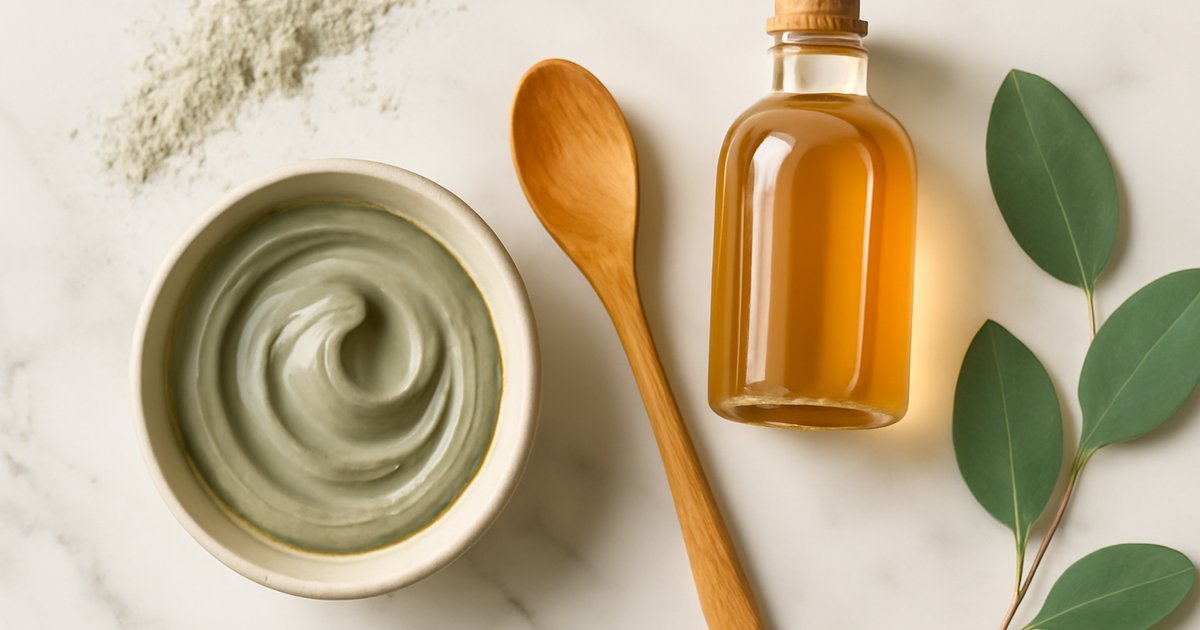
Mix it correctly. The most common preparation is bentonite clay powder mixed with water or apple cider vinegar (ACV) to form a paste. ACV increases the clay’s negative charge, making it more effective at drawing out impurities — but it also makes the mask more intense, so use water if you have sensitive or dry skin. Use a non-metal bowl and spoon; metal can interfere with the clay’s electrical charge and reduce its effectiveness.
Apply a thin, even layer. A thin coat is enough. You don’t need a thick mask. Apply to clean, dry skin, targeting areas of concern — your T-zone, chin, or wherever you tend to break out.
Don’t let it fully dry. The common instruction to "leave until dry" is actually a mistake for most skin types. Once the clay starts cracking, it begins pulling moisture from your skin rather than just impurities. Remove it when it’s still slightly damp — usually after 5 to 10 minutes, 15 at the absolute max.
Frequency matters more than intensity. For oily skin, once or twice a week is appropriate. For combination skin, once a week is plenty. If you have dry or sensitive skin, limit it to every 10 to 14 days, and always follow with a hydrating serum and moisturizer. Your skincare layering order matters here — hyaluronic acid serum goes on first, then moisturizer, to lock hydration back in after the mask.
Bentonite Clay for Different Skin Types: Honest Assessments
One of the most important things I wish I’d known earlier is that bentonite clay isn’t a one-size-fits-all solution. Its benefits and risks genuinely depend on your skin type.
Oily and acne-prone skin. This is bentonite clay’s sweet spot. The oil-absorbing, pore-purging action is most beneficial — and least risky — here. You can use it up to twice a week and will likely see the clearest results in terms of reduced shine and fewer surface-level breakouts. Pair it with a salicylic acid cleanser on non-mask days for maximum effect on congestion.
Combination skin. Use as a spot treatment rather than an all-over mask. Apply only to your T-zone or chin — the areas that tend to be oilier — and leave the drier parts of your face alone. This targeted approach gives you the benefits without the risk of over-drying your cheeks.
Dry skin. Proceed with caution. Bentonite clay can be too stripping for consistently dry skin. If you want to try it, mix with water (not ACV), apply a thin layer, remove at the 5-minute mark, and follow immediately with a rich moisturizer. If you notice increased tightness or flaking, scale back or stop.
Sensitive skin. Do a patch test first — apply a small amount to your inner forearm for 24 hours before putting it on your face. Some people with sensitive skin tolerate bentonite clay well; others experience redness or irritation. Listen to your skin rather than pushing through discomfort.
Common Mistakes to Avoid with Bentonite Clay
Even with the best intentions, it’s easy to misuse bentonite clay in ways that undo its benefits. Here are the mistakes I see most often — and that I’ve made myself.
Using metal tools. This one sounds like a minor detail, but it genuinely affects results. The ionic charge that makes bentonite clay effective can be disrupted by contact with metal. Stick to wooden, silicone, or ceramic bowls and utensils.
Leaving it on too long. As mentioned above, fully dried clay draws moisture from your skin. Set a timer. Five to ten minutes is enough for most people to get the benefit without the downside.
Masking over active skin issues without professional guidance. If you have rosacea, eczema, or a compromised skin barrier, a bentonite clay mask can worsen inflammation rather than help it. These conditions require dermatologist-directed care, not DIY clay treatments.
Skipping moisturizer after masking. This might be the most common mistake. After any clay mask, your skin needs immediate rehydration. Skipping your moisturizer after a bentonite mask is like washing your car in the rain and calling it detailed. Always follow with a humectant — like hyaluronic acid — and a moisturizer appropriate for your skin type.
Expecting overnight results. Bentonite clay improves skin over weeks of consistent use, not after a single mask. Manage your expectations and think of it as a maintenance tool, not a miracle fix.
Frequently Asked Questions About Bentonite Clay for Skin
Can bentonite clay remove blackheads?
Yes, to a meaningful extent. Regular use can help loosen oxidized sebum inside pores, making blackheads easier to clear over time. It won’t dissolve them chemically the way glycolic or salicylic acid do, but it softens and draws out debris effectively with consistent use.
Is it safe to use bentonite clay on your face every day?
No — daily use is too frequent for most skin types. Daily masking with bentonite clay will strip your skin’s natural oils and disrupt your moisture barrier. Stick to once or twice a week at most, and adjust based on how your skin responds.
What’s the difference between bentonite clay and kaolin clay?
Both are used in skincare, but they work differently. Bentonite clay is more absorbent and has stronger drawing power, making it better for oily and acne-prone skin. Kaolin clay is gentler and less drying, making it a better fit for sensitive or dry skin types who still want the skin-smoothing benefits of clay.
Can bentonite clay help with hormonal acne?
It can help manage the surface symptoms — oil, inflammation, clogged pores — but it doesn’t address the hormonal root cause. Think of it as supportive care rather than treatment. If you’re dealing with persistent hormonal breakouts, a dermatologist consultation is worth the investment.
Should I mix bentonite clay with apple cider vinegar or water?
For oily, acne-prone skin: apple cider vinegar can boost effectiveness, but dilute it (roughly equal parts ACV and water) to reduce the chance of irritation. For all other skin types: plain water is safer and still effective. Never use undiluted ACV directly on your skin.
The Bottom Line on Bentonite Clay
Bentonite clay won’t reinvent your skincare routine, and it’s not going to replace the targeted actives that address specific concerns. But used correctly — once or twice a week, mixed properly, removed before fully drying, and followed by solid hydration — it’s a genuinely useful, affordable, and science-backed addition to a well-rounded routine.
The key is working with your skin type, not against it. Start slow, pay attention to how your skin responds, and resist the temptation to overdo it. If you’re new to active skincare altogether, getting your foundational routine right first is the smarter move before adding in a clay mask. But if you’ve been curious and your skin is up for it, bentonite clay might just become one of those quiet, reliable tools you keep coming back to — week after week, long after the novelty wears off.