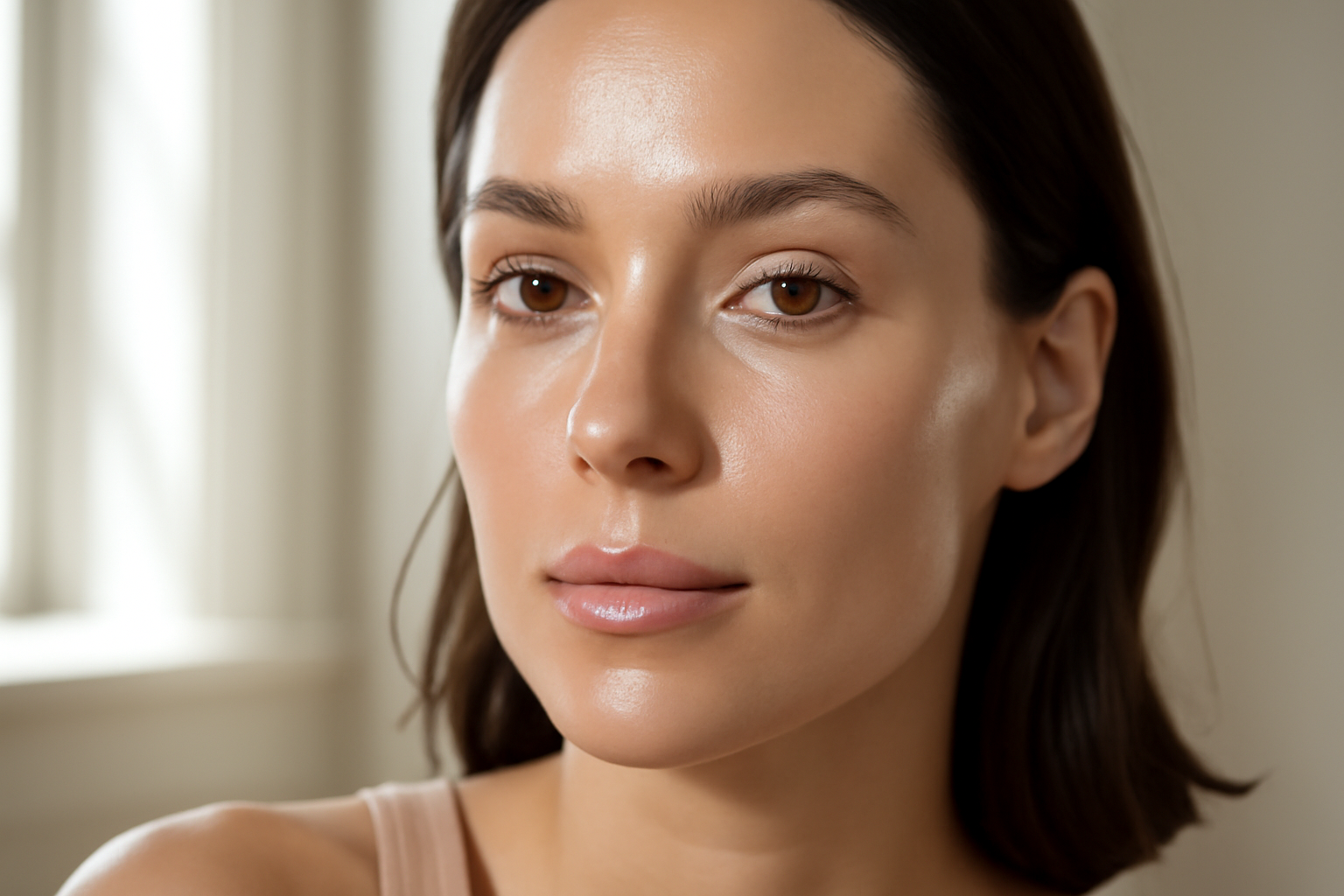
I used to think glass skin was a filter — turns out it’s a method, and it’s more achievable than I expected.
The first time I saw the phrase “glass skin,” I assumed it was one of those beauty trends built for people with naturally perfect complexions and a professional lighting team. I scrolled past it. Twice. Then a coworker showed up to a meeting one Monday morning with skin so clear and luminous it looked almost reflective, and I had to ask what she was doing differently.
Her answer wasn’t a $300 facial or a celebrity serum. It was a layered, intentional skincare routine rooted in a Korean beauty philosophy that prioritizes deep hydration, gentle exfoliation, and skin barrier health above everything else.
Since then, I’ve spent months testing the approach — what works, what’s overhyped, and what actually delivers that smooth, poreless, almost translucent look that defines glass skin. In this guide, you’ll get the full routine, product recommendations at multiple price points, and honest notes on what to expect if you’re starting from scratch.
Whether your skin is dry, oily, or somewhere in between, the glass skin method has a version that works for you.
Why Glass Skin Has Staying Power (It’s Not Just a Trend)
Glass skin isn’t a new concept — it emerged from Korean beauty culture years ago and became a global conversation when K-beauty went mainstream. But unlike many viral beauty trends, it hasn’t faded because the underlying principles are scientifically sound.
At its core, glass skin is about optimizing your skin’s moisture barrier. According to research published by the Journal of Investigative Dermatology, a compromised skin barrier is linked to increased transepidermal water loss, inflammation, and sensitivity — all of which make skin look dull, uneven, and rough. When your barrier is functioning well, skin naturally appears smoother, more even-toned, and more reflective.
In a culture that’s increasingly skeptical of heavy makeup coverage, glass skin offers something different: the appearance of your best skin, not skin covered up. For US adults juggling demanding schedules, environmental stressors, and the long-term effects of sun exposure, it’s a practical and sustainable goal — not just an aesthetic one.
It’s also worth saying clearly: glass skin looks different on everyone. On deeper skin tones, the glow is rich and dimensional. On lighter tones, it reads as porcelain-smooth. The goal is always your best skin, not someone else’s.
Step 1: Double Cleanse Like You Mean It
The foundation of any glass skin routine is clean skin — genuinely clean, not just surface clean. That’s where double cleansing comes in, and if you’ve never tried it, this single step may be the biggest change you can make.
The method involves two steps: first, an oil-based cleanser to dissolve makeup, SPF, and sebum; then, a gentle water-based cleanser to remove any residue and thoroughly cleanse the skin. A 2023 study by Seoul National University confirmed that double cleansing significantly reduces pore-clogging residue compared to single-step cleansing — especially for people who wear SPF daily (which should be everyone).
What works: Oil cleansers like DHC Deep Cleansing Oil or Banila Co Clean It Zero (a cult favorite that’s widely available in the US) are effective starting points. Follow with a gentle foaming or gel cleanser — CeraVe Hydrating Facial Cleanser works beautifully for most skin types and won’t strip your barrier.
What to watch: If you skip SPF or wear minimal makeup, you may not need to double cleanse every night. Overdoing it can cause dryness. Listen to your skin.
For more on protecting your skin barrier after cleansing, check out our guide on Sensitive Skin Care: What Actually Works — especially useful if your skin tends to react to new products.
Step 2: Layer Hydration Strategically (This Is Where Glass Skin Happens)
If double cleansing is the foundation, layered hydration is the architecture. This is what separates a glass skin routine from a basic moisturizer-and-done approach — and it’s where most people see the biggest results.
The Korean beauty approach involves applying hydrating products from thinnest to thickest consistency, allowing each layer to absorb before adding the next. The typical sequence looks like this:
- Toner or essence: The first layer of hydration. Look for formulas with niacinamide, centella asiatica, or fermented ingredients. COSRX Advanced Snail 96 Mucin Power Essence is a popular entry point.
- Serum: Targeted treatment. Hyaluronic acid serums are particularly effective here — they attract and bind moisture to the skin. Our deep dive on Hyaluronic Acid and Skin Hydration explains exactly how to use it for maximum effect.
- Moisturizer: Seals everything in. Choose a formula suited to your skin type — gel moisturizers for oily skin, richer creams for dry or combination types.
- Face oil (optional): A few drops of squalane or rosehip oil on top of moisturizer can add the final luminous finish that defines the glass skin look.
According to the American Academy of Dermatology, applying moisturizer within minutes of cleansing — while skin is still slightly damp — significantly improves ingredient absorption and moisture retention. That timing detail matters more than most people realize.
Honest note: You don’t need every layer every day. On low-effort mornings, a good toner, serum, and moisturizer is enough. The multi-step approach shines most when you have time and your skin needs extra attention.
Step 3: Exfoliate Consistently (But Not Aggressively)
No amount of hydration will create a glass-like surface if you have a buildup of dead skin cells sitting on top. Gentle, consistent exfoliation is what allows all those hydrating layers to actually penetrate — and it’s what smooths out texture over time.
Chemical exfoliants are the gold standard for glass skin. Physical scrubs can create micro-tears and uneven results, especially if you’re using them on inflamed or sensitized skin. Instead, look for:
- AHAs (like glycolic or lactic acid): Best for dry to normal skin. They work on the surface, improving tone and radiance.
- BHAs (like salicylic acid): Better for oily or acne-prone skin. They penetrate into pores and clear congestion.
- PHAs (like gluconolactone): The gentlest option, great for sensitive skin or beginners.
A Mayo Clinic-backed review of chemical exfoliants found that consistent, low-concentration AHA use over 12 weeks improved surface texture, reduced the appearance of fine lines, and enhanced overall skin brightness — without the irritation common with higher-strength treatments.
Start with exfoliating two to three times per week, at night. If your skin handles it well after a month, you can adjust from there. And always — always — follow with SPF the next morning. Exfoliated skin is more vulnerable to UV damage.
Speaking of which, our guide on How to Choose the Right SPF for Your Skin Type is a great companion read here.
Common Mistakes That Kill Your Glass Skin Progress
I made most of these myself before I figured out what was going wrong. Avoid these pitfalls and you’ll get results faster.
1. Skipping SPF and undoing everything. UV exposure is one of the primary causes of dull, uneven, textured skin. If you’re doing all this work at night and walking into the sun unprotected every morning, you’re running in circles. Daily SPF 30 or higher is non-negotiable for glass skin — and for skin health in general.
2. Introducing too many new products at once. The biggest mistake beginners make is buying an entire new routine and using everything simultaneously. When your skin reacts, you have no idea what caused it. Introduce one new product at a time, give it two weeks, then add the next.
3. Over-exfoliating in pursuit of faster results. More is not better here. Exfoliating every day or using high-strength acids daily breaks down your barrier, causes inflammation, and creates the exact opposite of glass skin — redness, sensitivity, and rough patches. Twice a week is almost always sufficient.
4. Confusing dehydration with oiliness. Dehydrated skin often overproduces oil to compensate for lost moisture. If your skin feels oily but still looks dull or tight, you may need more hydration, not less. A lightweight, water-based moisturizer can help balance both.
5. Expecting overnight results. Skin cell turnover takes roughly 28 days in younger adults and longer as we age. Most people start to notice real texture improvement around the four to six week mark. Patience is part of the routine.
Frequently Asked Questions About Glass Skin
Is glass skin achievable for all skin types?
Yes — though the products you choose will vary. Oily skin types do best with lightweight, gel-based layers. Dry skin types benefit from richer emollients and face oils. The principle of layered hydration applies universally.
How long does it take to get glass skin results?
Most people notice improved hydration and radiance within one to two weeks. Visible texture improvement typically takes four to eight weeks of consistent routine use.
Do I need expensive products to get glass skin?
Not at all. Several drugstore and mid-range products perform comparably to luxury options. CeraVe, The Ordinary, COSRX, and Neutrogena all offer solid options under $20. The routine and consistency matter more than price point.
Can men follow a glass skin routine?
Absolutely. The principles of barrier health and layered hydration are not gender-specific. The products work the same regardless of who’s using them.
What’s the difference between glass skin and dewy skin?
Dewy skin typically refers to a moisturized, slightly shiny finish — often achieved with makeup. Glass skin is about actual skin quality: smooth texture, even tone, and natural luminosity that exists even without product. Think of dewy as the look, glass as the health underneath it.
Start Simple, Stay Consistent
Glass skin isn’t a shortcut — it’s a commitment to treating your skin with more intention than most of us were taught to. But it’s also more accessible than the elaborate multi-step tutorials online might suggest.
Start with double cleansing, add a solid hydrating serum, moisturize daily, exfoliate two or three times a week, and protect everything with SPF. Give it six weeks before you evaluate results.
The glow doesn’t come from a single product. It comes from a routine your skin can count on, day after day. That’s the real secret behind glass skin — and now you have everything you need to build it.