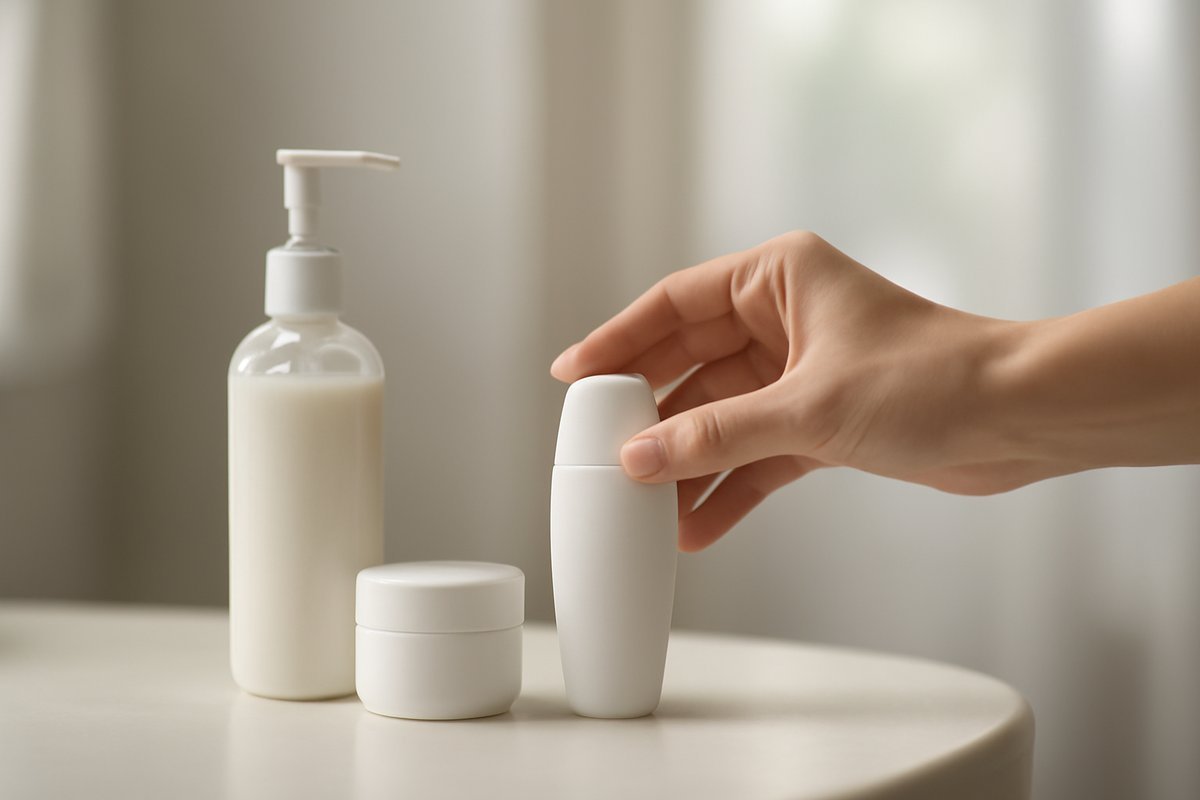
Tired of a cluttered counter and a confused complexion? It’s time to reclaim your routine.
For years, my bathroom counter looked like a mini-Sephora aisle. Serums, toners, essences, masks – I had it all, believing that more products equated to better skin. Every morning and night was a complicated ritual, often rushed and sometimes skipped entirely. Instead of glowing skin, I frequently dealt with unexplained breakouts, redness, and a nagging feeling of overwhelm. My skin wasn’t getting better; it was just getting more confused. It wasn’t until I hit a wall—literally, a wall of products I hadn’t used in months—that I realized I needed a different approach.
This realization kickstarted my journey into “skinimalism” – the art of simplifying your skincare routine without sacrificing efficacy. The results were astounding: clearer skin, less irritation, more time, and a significantly lighter wallet. If you’re an adult navigating the complexities of modern life, constantly bombarded by beauty trends and product recommendations, this guide is for you. We’ll dive into how simplifying your skincare can lead to healthier, more radiant skin, reduce stress, and save you valuable time and money. Get ready to cut the clutter and embrace a truly effective, minimalist approach.
Why “Skinimalism” Matters for Busy US Adults Today
In our fast-paced society, the idea of adding another multi-step routine to an already packed schedule can feel exhausting. US adults, particularly those aged 25-55, are juggling careers, families, and personal ambitions, leaving little room for elaborate beauty rituals. The constant influx of new products and “must-try” ingredients on social media only amplifies the pressure, leading to what many dermatologists call “product overload.”
When the trend of “skinimalism” first emerged, it was a direct response to this overwhelming culture. A 2024 report by Mintel, a global market research firm, indicated a significant shift in consumer behavior, showing that 42% of US adults are actively seeking to reduce the number of products in their beauty routine, prioritizing simplicity and proven effectiveness. This isn’t just about saving time; it’s about reducing decision fatigue, minimizing skin irritation from too many active ingredients, and aligning beauty practices with a more conscious, sustainable lifestyle. Less truly can be more when it comes to achieving healthy, balanced skin.
The Core Pillars of a Minimalist Skincare Routine
When I first stripped down my routine, it felt almost radical. Could just a few products really do the job? The answer, unequivocally, is yes. A truly effective, simplified routine focuses on three fundamental steps: cleansing, moisturizing, and sun protection. These are the non-negotiables, the foundation upon which all healthy skin is built.
-
Gentle Cleansing: The First Step to a Clean Slate
Think of cleansing as preparing a canvas. You want it clean, but not stripped. Over-cleansing or using harsh cleansers can disrupt your skin’s natural barrier, leading to dryness, irritation, and even more breakouts. Opt for a gentle, hydrating cleanser that removes impurities without leaving your skin feeling tight or squeaky clean. I personally found that switching to a cream or gel-based cleanser for both morning and night made a huge difference in reducing redness and maintaining my skin’s moisture balance.
-
Hydrating Moisturizer: Locking in Goodness
Regardless of your skin type – yes, even oily skin needs moisturizer – a good moisturizer is crucial. It helps to replenish lost moisture, strengthen the skin barrier, and keep your complexion plump and supple. For a minimalist approach, choose a moisturizer that’s non-comedogenic and suitable for your skin type. If you have oily skin, a lightweight gel; for dry skin, a richer cream. For me, finding a fragrance-free option greatly reduced irritation and helped my skin feel consistently hydrated throughout the day.
-
Daily SPF: Your Non-Negotiable Shield
This is arguably the most important step in any skincare routine, minimalist or otherwise. Daily sun protection defends against premature aging, sun damage, and skin cancer. UV radiation is a primary culprit for hyperpigmentation, fine lines, and loss of elasticity. Don’t skip it, even on cloudy days. Look for a broad-spectrum SPF 30 or higher. Integrating SPF into my morning routine became second nature, and I noticed a significant improvement in overall skin tone and reduction of new sunspots. If you need help choosing, check out our guide on How to Choose the Right SPF for Your Skin Type.
Elevating Your Simplified Routine: Smart Additions for Specific Concerns
While the core three steps form an excellent foundation, sometimes your skin needs a little extra help to address specific concerns like acne, hyperpigmentation, or aging. The key to maintaining a minimalist approach here is strategic addition: introduce one targeted active ingredient at a time, observe your skin’s response, and ensure it truly adds value.
When I realized my simplified routine needed a boost for persistent dark spots, I carefully researched potent ingredients. Instead of adding multiple serums at once, I chose one active – Vitamin C – to incorporate slowly into my morning routine. I noticed a gradual brightening of my complexion and fading of existing spots without overwhelming my skin. This “one-in, one-out” or “add-only-when-needed” philosophy prevents the product overload cycle from starting again.
Here are some powerful, single-focus ingredients you might consider adding, depending on your needs:
-
Vitamin C Serum: Ideal for brightening, antioxidant protection, and collagen production. Use in the morning after cleansing. (Read more: Vitamin C Serum for Your Face: The Complete Guide)
-
Retinol/Retinoids: Excellent for anti-aging, acne, and texture improvement. Start with a low concentration and use 2-3 times a week at night. (Explore more: Retinol for Beginners: How to Start Without Wrecking Your Skin)
-
Hyaluronic Acid: A hydration powerhouse. Can be layered under moisturizer to draw moisture into the skin, especially beneficial for dehydrated skin. (Dive deeper: Hyaluronic Acid: The Skin Hydration Guide You Need)
-
Exfoliating Acid (AHA/BHA): For improving skin texture, clearing pores, and promoting cell turnover. Use 1-3 times a week, typically at night, instead of or before retinol depending on skin tolerance.
Remember, less is still more. Choose one to address your primary concern, give it time to work (at least 4-6 weeks), and only then consider another if absolutely necessary.
Decoding Your Products: Ingredients That Work and What to Skip
Part of simplifying your skincare isn’t just about fewer steps; it’s about making smarter choices regarding the products you do use. You don’t need to be an expert chemist, but understanding basic ingredient principles empowers you to choose effective formulations and avoid unnecessary fillers or irritants. For many years, I just bought what was popular, leading to a trial-and-error cycle that often ended in disappointment or breakouts. Learning to read ingredient lists changed everything.
Here’s what I’ve learned works and what to be wary of:
-
Focus on Proven Actives
When adding a targeted product, look for well-researched ingredients like Vitamin C (ascorbic acid), retinoids (retinol, retinaldehyde), niacinamide, hyaluronic acid, salicylic acid (BHA), and alpha hydroxy acids (AHAs like glycolic or lactic acid). These have extensive scientific backing for their claims. Don’t fall for products with dozens of “exotic” extracts making vague promises without specific ingredient concentrations or studies.
-
Prioritize Gentle "Support" Ingredients
For your cleansers and moisturizers, focus on ingredients that support skin health without causing irritation. Ceramides, glycerin, squalane, and fatty acids are excellent for barrier repair and hydration. Avoid products loaded with artificial fragrances, harsh sulfates, or excessive alcohol, especially if you have sensitive skin. While “natural” ingredients can be wonderful, remember that some natural extracts can also be irritants for certain skin types, so always patch test.
-
Don’t Be Fooled by Price Tags
High price doesn’t automatically mean higher quality or efficacy. Many drugstore brands offer exceptionally formulated products that perform just as well, if not better, than their luxury counterparts. Consumer Reports and Good Housekeeping frequently highlight affordable options that outperform expensive ones. It’s about the ingredients and formulation, not the brand prestige. I’ve found some of my holy grail products at price points I never expected.
-
Ingredient Combinations vs. Single Actives
Sometimes, products combine several active ingredients. While this can be efficient, it can also lead to irritation if not formulated correctly or if your skin is sensitive. For a minimalist approach, especially when starting out, I found it more effective to use single-active serums. This way, you know exactly what’s working (or not working) for your skin.
Common Skincare Simplification Mistakes to Avoid
The path to a simplified routine isn’t always linear. There are common pitfalls that can derail your progress or even harm your skin. Learning from these can save you frustration and ensure your minimalist journey is a successful one.
-
1. Cutting Out SPF
This is the most critical mistake. While you’re simplifying, SPF should never be on the chopping block. Sun protection is the cornerstone of skin health and anti-aging. Omitting it negates the benefits of any other products you use and exposes your skin to damage. Think of it as your skin’s daily armor.
-
2. Using Harsh Products in the Name of "Simplicity"
Some people equate “minimalist” with “no-frills” and opt for harsh soaps or alcohol-laden toners. This is counterproductive. A simplified routine emphasizes *gentle* effectiveness. Using aggressive products, even fewer of them, can strip your skin, damage its barrier, and lead to increased sensitivity, dryness, or breakouts. Always choose gentle, skin-friendly formulations for your core products.
-
3. Ignoring Your Skin’s Changing Needs
Your skin isn’t static. It changes with seasons, hormones, stress levels, and age. A minimalist routine doesn’t mean a rigid, unchanging one. It means having a flexible core and strategically adding or swapping out a single product when your skin signals a need. For example, you might need a richer moisturizer in winter or a salicylic acid spot treatment during a breakout.
-
4. Expecting Instant Miracles
Skincare – simplified or not – requires consistency and patience. It takes time for skin cells to renew and for ingredients to show their effects. Don’t expect dramatic results overnight. Give new routines or products at least 4-6 weeks (and sometimes up to 12 weeks for actives like retinol) before deciding if they’re working. My own journey with simplified skincare took several months to truly stabilize and show its best results.
-
5. Overlooking Internal Factors
Skincare isn’t just about what you put on your face. Lifestyle factors like diet, sleep, stress, and hydration play a massive role in skin health. A simplified external routine frees up mental energy to focus on these internal aspects. Neglecting these while simplifying your product line-up won’t give you the full picture of healthy, radiant skin.
Frequently Asked Questions
How do I know if my skin needs simplifying?
If you’re experiencing irritation, unexplained breakouts, persistent dryness, or feel overwhelmed by the number of products you use without seeing significant improvements, your skin might benefit from simplification. A cluttered routine can often confuse the skin, making it hard to identify what’s working or causing issues.
How long does it take to see results from a simplified routine?
While some immediate improvements like reduced irritation might be noticeable within days, significant changes in skin health and appearance typically take 4-6 weeks as your skin adjusts and cells regenerate. For targeted concerns with active ingredients, it might take 8-12 weeks.
Can a simplified routine address specific concerns like acne or aging?
Absolutely. The core three steps (cleanser, moisturizer, SPF) provide a healthy foundation. For specific concerns, you can strategically introduce one targeted active ingredient like salicylic acid for acne or retinol for anti-aging, without overhauling your entire routine. This targeted approach is often more effective than using multiple products that might conflict.
What’s the absolute minimum I need for healthy skin?
At minimum, everyone needs a gentle cleanser, a suitable moisturizer, and a broad-spectrum SPF 30+ for daily use. These three steps are fundamental for maintaining skin health, hydration, and protection from environmental damage.
Is “skinimalism” just a trend, or is it effective long-term?
While the term “skinimalism” gained popularity as a trend, the principles of using fewer, higher-quality, and effective products for skin health are timeless and dermatologist-recommended. Focusing on foundational care and targeted treatments for specific concerns is a sustainable and effective approach to skincare for the long term.
Conclusion
Embracing a simplified skincare routine isn’t about deprivation; it’s about liberation. It’s about freeing yourself from the endless cycle of product accumulation and trusting that your skin, given the right foundational care, can thrive with less. My own journey proved that paring down wasn’t a compromise, but an upgrade. I gained not just clearer, more balanced skin, but also precious time and mental peace.
You don’t need a thousand products to achieve a radiant glow. You need a thoughtful, consistent routine built on proven essentials and smart, strategic additions. Start today by decluttering your beauty shelf and focusing on those core three – cleanse, moisturize, protect. Your skin (and your schedule) will thank you for it. Welcome to the world of effortless radiance.