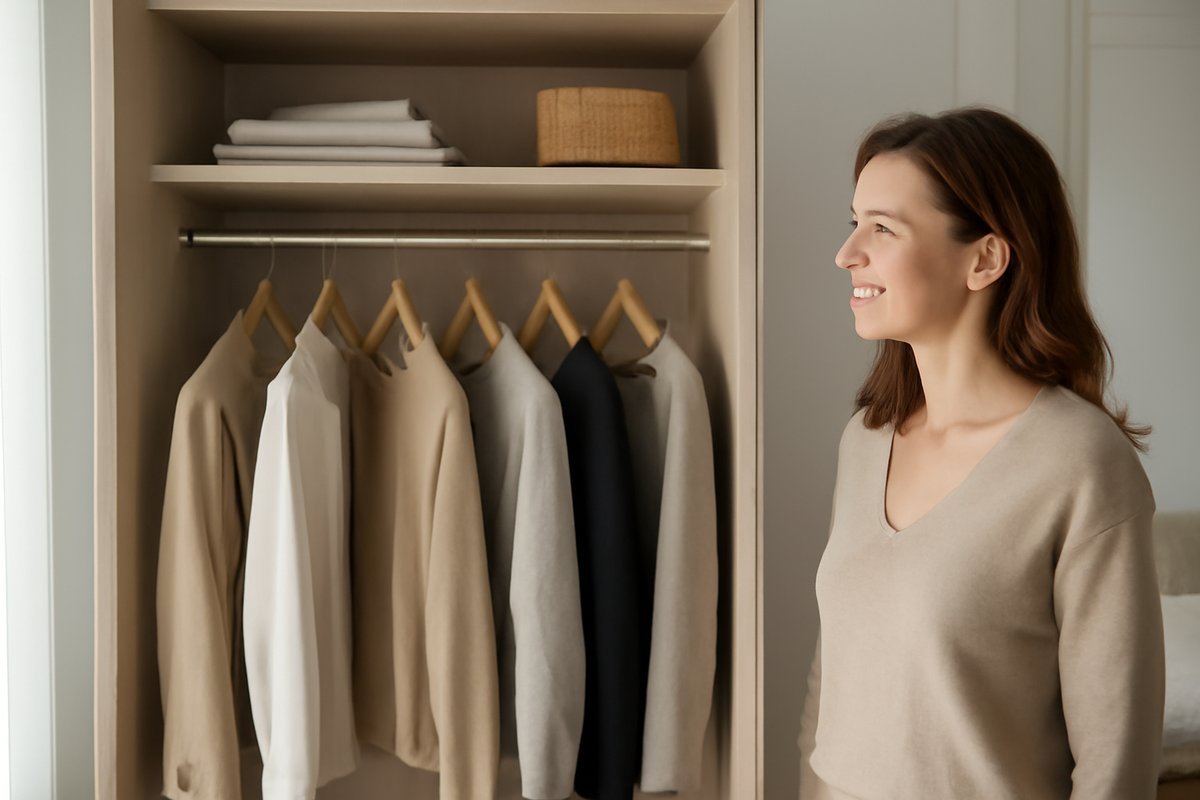
My closet used to be a chaotic jungle of "what ifs" and "maybe laters" until I embraced the capsule wardrobe concept.
I remember a time when my closet was bursting at the seams, yet I still felt like I had "nothing to wear." Sound familiar? It's a common dilemma in our fast-paced world, where trends come and go faster than ever. For years, I accumulated clothes, chasing sales and fleeting styles, only to realize I was drowning in choices and contributing to an unsustainable cycle. Then, a few years ago, I stumbled upon the idea of a sustainable capsule wardrobe. It wasn't about deprivation; it was about liberation, intentionality, and a newfound appreciation for quality over quantity. This guide isn't just about decluttering your closet; it's about transforming your relationship with fashion, making choices that feel good for you and the planet, and discovering true style that lasts. By the end, you'll have a clear roadmap to curating a wardrobe that’s both chic and conscious.
Why a Sustainable Capsule Wardrobe Matters Now
In an era dominated by fast fashion, the environmental and ethical implications of our clothing choices have become increasingly apparent. The relentless production of low-cost, disposable garments contributes significantly to waste, pollution, and often, exploitative labor practices. A study published in 2024 by the World Resources Institute highlighted that the fashion industry accounts for a substantial portion of global greenhouse gas emissions and water pollution, with textile waste piling up in landfills at an alarming rate across the United States. For adults aged 25-55, many are not only seeking personal efficiency and financial sensibility but also align with values of environmental responsibility. A sustainable capsule wardrobe offers a compelling solution. It reduces your environmental footprint, encourages mindful consumption, and empowers you to invest in pieces that reflect your personal values, rather than succumbing to fleeting trends. It's about more than just clothes; it's about making a statement for a more sustainable future.
Decluttering Your Closet with Purpose
Before you can build, you must first clear. This isn't just about throwing things out; it's about evaluating each item with intention. My own journey began with the "Love It or Leave It" method, which felt less overwhelming than a full Marie Kondo overhaul. I pulled every single item out of my closet and put it into one of four piles: "Keep," "Donate/Sell," "Alter," and "Discard." For the "Keep" pile, I asked myself: "Do I love this? Does it fit well right now? Have I worn it in the last year? Does it align with my current lifestyle and personal style?" Be ruthless but honest. That sweater you bought five years ago for a "maybe someday" event? If "someday" hasn't arrived, it's time to let go. You might find items that you adore but just need a minor repair or alteration to fit perfectly. This phase is crucial for understanding your current wardrobe landscape and identifying gaps or redundancies. A specific trade-off here is the time commitment; it can take a full weekend. But the payoff? A clearer mind and a foundational understanding of what you truly own and value. This initial purge is less about minimalism and more about mindful ownership, creating space for what truly serves you.
Curating Your Sustainable Core Pieces
Once your closet is decluttered, the real fun begins: defining your core. Your capsule should revolve around versatile, high-quality pieces that can be mixed and matched effortlessly. Think classic silhouettes and a cohesive color palette. For instance, my core includes neutral-toned trousers, a few well-fitting t-shirts made from organic cotton, a classic denim jacket, and a versatile black dress. These items form the backbone of countless outfits. When selecting new items, prioritize natural, durable, and ethically sourced materials like organic cotton, linen, hemp, Tencel, or recycled materials. Avoid synthetic fibers like virgin polyester, which shed microplastics with every wash. An insight from a 2025 consumer report by Wirecutter noted that while upfront costs for high-quality, sustainable garments can be higher, their longevity often results in lower cost-per-wear over time. I learned this firsthand when I invested in a pair of organic denim jeans that have outlasted three pairs of fast-fashion alternatives. Consider your lifestyle: if you work in a corporate environment, your capsule will look different than someone working from home or in a creative field. The trade-off is often patience – finding the right pieces can take time, but the reward is a wardrobe that genuinely works for you.
Smart Shopping & Ethical Brand Choices
Building a sustainable capsule wardrobe doesn't mean you can never buy new clothes again. It means being deliberate about where and how you shop. The most sustainable garment is the one you already own, so exhaust those options first! When you do need to purchase, explore secondhand options like consignment stores, thrift shops, or online marketplaces like Poshmark or Depop. You can often find high-quality, even designer, items at a fraction of the cost, giving them a second life. If buying new, seek out brands that prioritize transparency in their supply chain, use eco-friendly materials, ensure fair labor practices, and offer repair services. Brands like Patagonia or Everlane (though not without past controversies, they continually strive for transparency) have made significant strides in sustainable practices, offering examples of what to look for. Look for certifications like GOTS (Global Organic Textile Standard) for organic materials or Fair Trade Certified for ethical labor. A common pitfall is falling for "greenwashing" – where brands make vague environmental claims without real substance. Do your research. Real Simple, for example, often features lists of truly sustainable brands. The key is to shift your mindset from impulse buying to intentional investing, making choices that align with your values and support a healthier planet.
Extending the Life of Your Wardrobe
A truly sustainable wardrobe is one that lasts. Proper care is paramount to extending the lifespan of your garments, reducing the need for constant replacement. I used to throw everything into the washing machine on the same cycle, leading to faded colors and stretched fabrics. Now, I pay attention to care labels. Wash clothes in cold water whenever possible, which saves energy and helps preserve fabric integrity. Air-dry delicate items to prevent shrinkage and wear from dryers. Invest in a good quality garment steamer instead of constantly ironing, which can be harsh on fibers. Learning basic mending skills – like sewing a button or patching a small tear – can resurrect beloved items. Many local dry cleaners or tailors also offer repair services for more complex issues, a service I discovered when my favorite blazer needed a new lining. The environmental benefit of extending a garment's life by just nine months can significantly reduce its carbon, water, and waste footprint, as noted in a 2024 study by the Waste & Resources Action Programme (WRAP). Beyond repairs, consider repurposing items that no longer serve their original function. An old t-shirt can become a cleaning rag, or a worn-out pair of jeans can be cut into shorts for warmer weather. This circular approach keeps items out of landfills and maximizes their utility.
What to Avoid When Building Your Capsule
While the sustainable capsule wardrobe offers incredible benefits, there are common missteps that can derail your efforts.
- Don't Go Overboard on Rules: The idea isn't to restrict yourself to a specific number of items (e.g., exactly 33 pieces). It's about finding what works for your lifestyle. If 40 pieces make more sense for your climate and activities, that's fine. Rigidity often leads to frustration and giving up.
- Avoid Impulse "Sustainable" Buys: Just because a brand markets itself as "sustainable" doesn't mean you should buy everything they offer. Greenwashing is prevalent. Always research the brand's practices, material sourcing, and labor conditions. Ensure the item genuinely fills a gap in your wardrobe and aligns with your style before purchasing.
- Don't Ignore Your Personal Style: A capsule wardrobe should enhance your style, not erase it. Don't force yourself into a minimalist aesthetic if you love vibrant colors and bold patterns. Your capsule should reflect you – choose pieces that make you feel confident and joyful, ensuring they can be mixed and matched within your unique aesthetic. Trying to emulate someone else's capsule without considering your own preferences is a recipe for wardrobe boredom.
Frequently Asked Questions
Q: How many items should be in a capsule wardrobe?
A: There's no magic number. Many people aim for 30-40 items, including clothing, shoes, and outerwear, but excluding accessories, sleepwear, and activewear. The ideal number depends on your lifestyle, climate, and personal needs.
Q: Can a capsule wardrobe include trendy items?
A: Yes, in moderation. The core should be timeless, but you can incorporate a few trendy accessories or one seasonal piece that you genuinely love. The goal is to avoid constantly chasing fleeting trends.
Q: What if my lifestyle changes frequently (e.g., travel for work, different seasons)?
A: Consider building mini-capsules for different seasons or specific lifestyle needs (e.g., a "travel capsule" or "work capsule"). You don't have to overhaul your entire wardrobe; just adapt core pieces with seasonal layers or specific event wear.
Q: Is a sustainable capsule wardrobe more expensive?
A: The upfront cost for high-quality, ethically produced garments can be higher. However, you buy fewer items, and they last longer, often leading to a lower cost-per-wear over time and significant savings in the long run by avoiding impulse purchases.
Q: How do I get started with finding ethical brands?
A: Start by checking independent directories for ethical brands, looking for certifications like GOTS or Fair Trade, and reading reviews from trusted sources like Good Housekeeping or specific sustainable fashion blogs. Transparency in a brand's supply chain is a good indicator.
Conclusion
Embracing a sustainable capsule wardrobe is more than just a fashion trend; it's a mindful lifestyle choice that benefits your wallet, your peace of mind, and the planet. By consciously decluttering, thoughtfully curating, and caring for your garments, you're not only developing a versatile and authentic personal style but also contributing to a more responsible consumption cycle. It's a journey, not a destination, and you don't have to achieve perfection overnight. Start small, be patient with yourself, and celebrate each intentional choice you make. Your wardrobe can become a reflection of your values, offering effortless style that truly empowers you every day. Take that first step today: open your closet and begin the journey of purposeful evaluation.