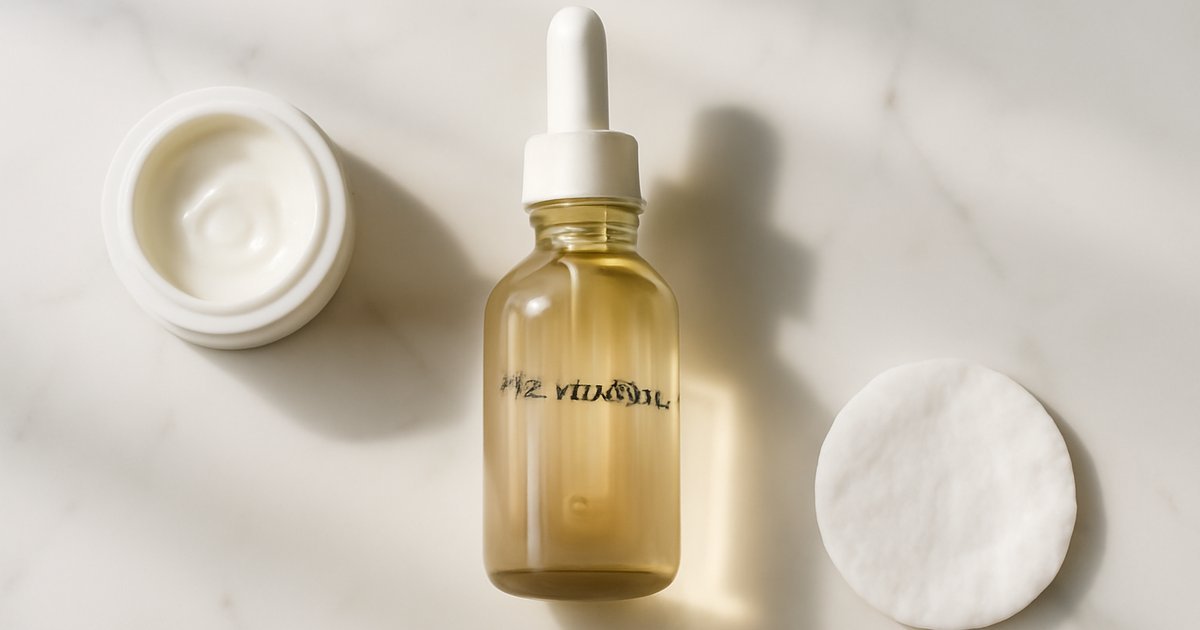
I added one serum to my routine and my dermatologist actually noticed the difference at my next appointment.
A few years back, I was spending way too much money cycling through trendy skincare ingredients — peptides one month, bakuchiol the next — and my skin was just… fine. Not bad, but not the glowing, even-toned skin I kept seeing on every wellness blog. Then a friend who works as an esthetician said something that stuck with me: “You keep chasing the new thing. Have you tried the one that just works?”
She was talking about niacinamide. And honestly? She was right.
Niacinamide — also known as vitamin B3 — has been a staple in dermatology offices and serious skincare routines for decades, but it’s only recently gotten the mainstream attention it deserves. If you’ve been curious about it but aren’t sure whether it actually lives up to the hype, this guide is for you.
By the time you finish reading, you’ll know exactly what niacinamide does, who it works best for, how to use it correctly, and what mistakes to avoid. No fluff, no unrealistic promises — just real, experience-backed information that helps you make a smart decision for your skin.
Why Niacinamide Deserves a Spot in Your Routine
Let’s be honest: the skincare market is flooded with overpromised ingredients. What makes niacinamide different is the research behind it. This isn’t a trend — it’s a well-studied compound with decades of clinical backing.
A landmark study published in the Journal of Cosmetic Dermatology found that a 5% niacinamide concentration significantly reduced hyperpigmentation, improved skin elasticity, and decreased sebum production over 12 weeks. That’s three major skin concerns addressed by one ingredient, at a price point that won’t wreck your budget.
For US adults aged 25 to 55, this matters because our skin concerns shift over time. In your late 20s and 30s, you might be dealing with post-acne marks and uneven tone. By your 40s and 50s, enlarged pores, dullness, and early fine lines take center stage. Niacinamide happens to address all of these — which is why dermatologists across the country consistently recommend it as a foundational ingredient rather than an occasional add-on.
It’s also exceptionally well-tolerated. Unlike retinol or chemical exfoliants, niacinamide rarely causes irritation, making it accessible even for people with reactive or sensitive skin. If you’ve been hesitant to experiment with actives, this is one of the safest places to start.
What Niacinamide Actually Does for Your Skin
Here’s where a lot of articles get vague, so let me be specific. Niacinamide works through several distinct mechanisms, and understanding them helps you set realistic expectations.
It regulates sebum production. If your skin tends to get oily by midday, niacinamide can help normalize oil output by signaling sebaceous glands to slow down. Most people notice this effect within four to six weeks of consistent use. For combination skin types especially, this is a genuine game-changer — and if you want to go deeper on managing combination skin, check out our guide on repairing and strengthening your skin barrier, which pairs beautifully with a niacinamide routine.
It fades dark spots and post-acne marks. Niacinamide inhibits the transfer of melanin to skin cells, which is the process that causes discoloration to appear on the surface. It won’t erase a dark spot overnight — realistically, expect noticeable improvement between 8 and 12 weeks — but it works steadily without the irritation risk that comes with higher-strength lightening agents.
It supports the skin barrier. According to research cited by the American Academy of Dermatology, niacinamide increases the production of ceramides — the lipids that keep moisture locked in and environmental irritants out. A stronger barrier means less sensitivity, less redness, and more resilient skin overall.
It minimizes the appearance of pores. Niacinamide doesn’t literally shrink pores (nothing does — pore size is genetic), but by reducing oil buildup and improving skin texture, it makes pores appear noticeably smaller. Dermatologists at Mayo Clinic note this as one of the most appreciated cosmetic benefits among their patients who use vitamin B3-based formulas.
How to Use Niacinamide the Right Way
One of the biggest mistakes people make with niacinamide is not knowing where it fits in their routine. Layering skincare products out of order can reduce effectiveness significantly — and with niacinamide specifically, the sequence matters.
The right concentration: For most people, 2% to 5% is the sweet spot. At 2%, you get gentle brightening and hydration support. At 5%, you get more pronounced effects on pores, oiliness, and pigmentation. Some brands offer 10% formulas — these can be effective but may cause mild flushing or redness for sensitive skin types, especially in the first few weeks.
Where it goes in your routine: Apply niacinamide after cleansing and toning, but before heavier moisturizers or oils. In a standard routine, that looks like: cleanser → toner (if you use one) → niacinamide serum → moisturizer → SPF (in the morning). Niacinamide works both AM and PM, so you can use it twice daily if your routine supports it.
What it pairs well with: Niacinamide is one of the most layering-friendly actives out there. It plays nicely with hyaluronic acid, peptides, SPF, and most moisturizing ingredients. It can also be used alongside retinol — in fact, applying niacinamide before retinol can help buffer irritation, which is a combination many dermatologists now actively recommend.
Timing tip: Give your niacinamide serum about 60 seconds to absorb before layering the next product. It’s a lightweight step, but that brief wait makes a difference in how well subsequent products sit on the skin.
Choosing the Right Niacinamide Product
Walk into any Sephora or Target right now and you’ll find niacinamide in everything from $9 drugstore serums to $80 luxury treatments. The honest truth? Price doesn’t always predict performance with this ingredient.
Consumer Reports and Wirecutter have both noted that mid-range niacinamide serums — typically priced between $15 and $35 — often outperform their premium counterparts because the formulations are straightforward and the ingredient is relatively inexpensive to source.
A few things worth looking for on the label:
- Niacinamide listed in the top five ingredients — this signals a meaningful concentration, not just a trace amount for marketing purposes.
- A minimal, stable formula — niacinamide doesn’t need a long ingredient list to be effective. In fact, fewer ingredients often means less risk of irritation or instability.
- Fragrance-free — especially important if you’re using this on acne-prone or sensitive skin.
- Airless pump or opaque packaging — niacinamide can degrade when exposed to repeated air and light. Proper packaging matters more than most people realize.
If you want a holistic look at how ingredients like niacinamide fit into a broader wellness-focused approach to skin, our piece on holistic skincare and glowing from within is worth a read alongside this guide.
Common Mistakes to Avoid With Niacinamide
Even a well-researched, well-tolerated ingredient can underperform if you’re using it wrong. Here are the pitfalls that trip people up most often:
1. Expecting overnight results. Niacinamide works gradually. Sebum regulation tends to show up within four to six weeks. Pigmentation improvement takes eight to twelve weeks. Pore appearance improves over time, not overnight. If you quit after two weeks because you didn’t see dramatic changes, you’re walking away too soon.
2. Using too high a concentration too fast. Jumping straight to a 10% formula can cause temporary flushing — a harmless but uncomfortable skin response sometimes called the “niacin flush.” Start at 2% to 5% and work up if needed. Slow and steady wins with any new active.
3. Mixing it with vitamin C incorrectly. There’s an old debate about whether niacinamide and vitamin C cancel each other out or cause a reaction. Current dermatology consensus, as noted by experts at Harvard Health, is that the two can coexist in a routine — but to minimize any risk of yellowing or irritation, apply them at different times of day. Vitamin C in the morning, niacinamide in the evening, is a safe default.
4. Skipping SPF and expecting pigmentation results. Niacinamide helps fade existing dark spots, but sun exposure continuously creates new ones. Without daily SPF, you’re essentially filling a bucket with a hole in it. Niacinamide and sunscreen are a pair, not optional substitutes for each other.
5. Treating it as a spot treatment. Niacinamide works systemically across the skin surface, not just on targeted spots. Apply it to your entire face (and neck, if you’re using it for anti-aging benefits) rather than dabbing it on individual areas.
Frequently Asked Questions About Niacinamide
Can niacinamide be used every day?
Yes — and in fact, daily use is where you see the best results. Niacinamide is gentle enough for twice-daily application for most skin types. If you’re new to it, once daily is a reasonable starting point while your skin adjusts.
Is niacinamide good for acne-prone skin?
Absolutely. It reduces oil production, calms inflammation, and helps fade post-acne marks — three things acne-prone skin actively needs. It’s not an acne treatment in the clinical sense, but it’s a strong supporting player in any acne-management routine.
Can I use niacinamide with retinol?
Yes, and it’s actually a smart combination. Apply niacinamide first, let it absorb, then apply retinol. The niacinamide helps buffer retinol’s potential irritation and keeps the skin barrier more resilient during the adjustment period.
How long until I see results from niacinamide?
Most people notice improved texture and reduced oiliness within four to six weeks. For brightening and pigmentation effects, plan for eight to twelve weeks of consistent daily use. Take a before photo — the gradual change is easy to miss without a reference point.
Is drugstore niacinamide as effective as high-end versions?
Often, yes. The active ingredient itself is inexpensive to formulate, so many drugstore options perform comparably to luxury alternatives. What matters is the concentration, the stability of the formula, and the packaging — not the brand name on the bottle.
Your Next Step Toward Better Skin
Niacinamide won’t fix everything, and it’s not meant to. But it is one of the most versatile, well-researched, and genuinely accessible ingredients available right now — and for most adults dealing with uneven tone, visible pores, or oiliness, it fills a real gap in a routine.
Start with a 5% serum, use it consistently once daily for the first month, and then reassess. Pair it with SPF in the morning and a simple moisturizer, and you’ll have a routine that’s both effective and sustainable.
For more on building a smart, no-overwhelm approach to skincare, our guide on simplifying your skincare routine for a radiant glow is the perfect companion read. Sometimes the best thing you can do for your skin is commit to doing a few things really well — and niacinamide is one of them.