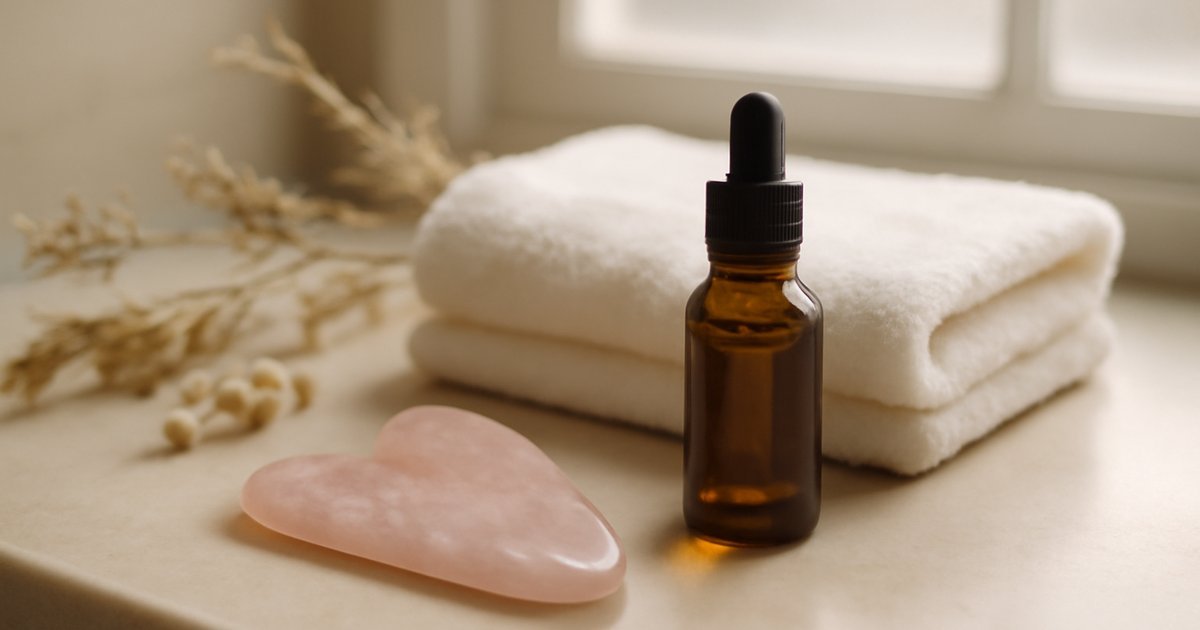
I bought my first gua sha stone on a whim during a Sunday afternoon scroll — and three months later, it became the one step I actually look forward to in my routine.
Why Gua Sha Suddenly Feels So Relevant
Somewhere between the rise of slow beauty and a collective burnout from 12-step routines, gua sha carved out a quiet corner in American bathroom shelves. And it’s not just aesthetics. A 2023 study published in the Journal of Traditional and Complementary Medicine found that regular facial gua sha massage significantly improved microcirculation and reduced perceived facial puffiness in participants after just four weeks of consistent use.
But here’s what the viral videos won’t tell you: most people are doing it wrong. The pressure is off, the angle is wrong, or they’re skipping the one product that makes the whole technique actually work. If you’ve been curious about gua sha — or you tried it once, saw nothing, and gave up — this guide is for you.
We’re going to cover everything from how to choose the right tool, to the actual step-by-step technique, to what results you can realistically expect. No fluff, no promises of instant transformation — just honest guidance from someone who’s been through the trial and error so you don’t have to.
What Gua Sha Actually Does (And What It Doesn’t)
Gua sha originates from Traditional Chinese Medicine, where it was used on the body to relieve muscle tension and stimulate circulation. The facial version is a gentler, adapted practice — light strokes with a smooth stone tool across the skin to encourage lymphatic drainage and release facial muscle tension.
According to the American Massage Therapy Association, the lymphatic system plays a key role in reducing facial puffiness and removing waste products from tissue — and gentle manual stimulation (like gua sha strokes) can support that process.
What it does well:
- Reduces morning puffiness, especially under the eyes and along the jawline
- Relieves tension in the jaw and forehead (especially useful if you clench or grind)
- Improves product absorption when done after applying a serum or facial oil
- Creates a temporary lifting and contouring effect
What it won’t do:
- Erase deep wrinkles or volume loss
- Replace professional treatments like microneedling or injectables
- Deliver results after just one use (consistency is everything here)
It’s a wellness tool, not a miracle worker. But for many people, the cumulative effect of daily use — better circulation, less puffiness, more relaxed facial muscles — adds up to skin that genuinely looks better over time.
Choosing the Right Gua Sha Stone for Your Skin
Walk into any wellness shop or scroll through Amazon and you’ll find a dozen different stones. Here’s how to cut through the noise.
Rose quartz is the most popular and widely available. It stays cool naturally, which helps with puffiness, and it’s smooth enough to glide without dragging. Good Housekeeping named rose quartz gua sha tools among their top-rated facial tools for home use, citing their durability and skin-friendly surface.
Jade is the traditional choice and has a slightly heavier feel, which some people prefer for better pressure control. It’s porous, though, meaning it needs more careful cleaning.
Bian stone is less common but gaining attention — it’s denser and thought to generate far-infrared heat when warmed, which proponents say helps with muscle tension. The science on this is limited, so consider it a bonus rather than a selling point.
Shape matters too. Look for a tool with:
- A long flat edge for the cheeks and forehead
- A curved notch for the jaw and neck
- A pointed tip or smaller edge for around the nose and brows
Budget-wise, you don’t need to spend more than $20–$35 for a quality tool. Anything cheaper may have rough edges that can irritate skin; anything much more expensive is largely aesthetic.
The Step-by-Step Gua Sha Routine That Actually Works
The biggest mistake beginners make is dry-stroking. Gua sha requires slip — you need a facial oil or rich serum underneath to prevent friction and microtears. This isn’t optional.
Here’s the full routine, start to finish:
Step 1: Cleanse your face. Always start with a clean canvas. If you’re doing this as part of your evening routine, double-cleanse to remove SPF and makeup first.
Step 2: Apply a facial oil or serum generously. You want your skin to feel slippery. A few drops of rosehip, squalane, or a dedicated facial oil work well. If you already use a serum you love — like a niacinamide or peptide serum — apply your oil on top of it. Speaking of which, if you want to understand how niacinamide can complement your gua sha routine, that’s worth exploring before you layer.
Step 3: Start at the neck. Always begin with the neck to “open” the lymphatic drainage pathway. Use the long flat edge of your stone and stroke upward from collarbone to jaw, three to five times on each side.
Step 4: Work the jawline. Use the notched edge along your jawline, stroking from chin toward ear. Keep the tool nearly flat against your skin (about 15–30 degrees) and use gentle but firm pressure — firm enough to feel it, light enough that it never hurts.
Step 5: Move to the cheeks. Long upward strokes from the corner of your mouth toward the top of your ear. Repeat four to six times per side.
Step 6: Under-eye area. Switch to the smaller edge or the curved tip. Use feather-light pressure here — the skin under the eye is thin and delicate. Stroke outward from the inner corner toward the temple.
Step 7: Forehead. Stroke upward and outward from the center of your forehead toward your hairline. This is also great for tension headaches.
Step 8: Finish with the neck again. Repeat the neck strokes to encourage drainage downward and out of the face.
The whole routine should take 5–10 minutes. Don’t rush it — the meditative quality is part of what makes it sustainable. If you want to deepen the circulatory benefits, pairing gua sha with a full facial lymphatic drainage massage technique can amplify your results over time.
What Results Look Like (And When to Expect Them)
Immediately after your first session, most people notice their face looks slightly more defined — a subtle tightening and a healthy flush from increased circulation. This is real, not imagined, but it’s also temporary (lasting a few hours).
The cumulative effects — reduced chronic puffiness, softer facial tension, a more even-toned complexion — take about three to four weeks of consistent daily use to become noticeable. A 2022 analysis in Complementary Therapies in Clinical Practice found that participants who performed facial gua sha five times per week for six weeks reported visible improvements in facial contour and a reduction in perceived skin dullness.
Consistency matters more than intensity. A gentle five-minute session every day beats a 20-minute aggressive session on the weekend. Think of it the way you’d think of working out: frequency builds results; occasional bursts don’t.
If your skin looks dull and tired even after regular use, it may be a sign that circulation and glow issues run deeper than massage can address. In that case, pairing gua sha with targeted actives — like those outlined in this guide on how to actually fix dull skin — can close the gap.
Common Gua Sha Mistakes to Avoid
Even with the best intentions, it’s easy to fall into habits that undermine your results — or worse, irritate your skin. Here are the pitfalls to sidestep:
1. Using too much pressure. Gua sha is not a deep-tissue massage. If your skin is red for more than 20 minutes after a session or you feel any pain, you’re pressing too hard. The goal is gentle stimulation, not aggressive manipulation.
2. Skipping the oil. Dry gua sha can cause microtears in the skin barrier, leading to irritation or broken capillaries over time. Always, always apply a slip layer first.
3. Stroking downward or inconsistently. The technique depends on directional strokes — always upward and outward. Downward strokes can work against the lymphatic flow and reduce the lifting effect you’re after.
4. Using a dirty tool. Your gua sha stone collects oil, product residue, and bacteria. Wash it with gentle soap and warm water after every use and dry it thoroughly before storing. Jade, in particular, should never be soaked — it’s porous and can crack.
5. Starting on compromised skin. Active breakouts, sunburn, open wounds, rosacea flare-ups, or eczema patches are all contraindications. Gua sha over inflamed or broken skin can spread bacteria or worsen irritation. If you have acne-prone skin, be strategic about which areas you work and when.
6. Expecting overnight transformation. Gua sha is a slow-burn investment. If you’re measuring it session by session with a magnifying mirror, you’ll get frustrated. Take a photo before you start and compare at the four-week mark — that’s where you’ll see it.
Frequently Asked Questions About Gua Sha
How often should I do gua sha on my face?
Daily use is ideal for most people — even five minutes in the evening makes a difference. If you have sensitive or reactive skin, start with three times per week and see how your skin responds before increasing frequency.
Can gua sha help with jawline tension from teeth grinding?
Yes, and this is one of its most underrated benefits. Working the masseter muscle (the large muscle along the jawline) with gentle gua sha strokes can relieve tension from clenching and even subtly slim the appearance of an overdeveloped jaw over time with consistent use.
Is gua sha safe for all skin types?
Generally yes, with exceptions. Avoid it on active acne, broken capillaries, rosacea flare-ups, or any open wounds. If you have a chronic skin condition, check with your dermatologist before starting.
Can I use gua sha in the morning instead of at night?
Absolutely. Morning gua sha is actually excellent for depuffing — especially that under-eye and cheek swelling that shows up after sleeping. Keep your tool in the fridge overnight for extra de-puffing power.
What’s the difference between gua sha and a jade roller?
A jade roller uses a rolling motion and is primarily for product absorption and light depuffing. Gua sha uses a scraping/stroking technique that works more deeply into the fascia and muscles. Both are valid tools, but gua sha offers more targeted results for contouring and tension relief.
Making Gua Sha a Ritual You’ll Actually Stick To
Here’s the honest truth: gua sha only works if you do it consistently. And consistency only happens when something feels enjoyable, not like a chore.
The most effective thing you can do is attach your gua sha practice to something you already do every night — whether that’s the last five minutes of your skincare routine, while you watch TV, or during a wind-down moment before bed. Keep your stone somewhere visible so it doesn’t get buried in a drawer.
Wellness doesn’t have to be elaborate to be meaningful. A few deliberate strokes with a smooth stone, a little quality oil, and five quiet minutes — that’s genuinely enough to make a difference over time. Start tonight, take a photo for reference, and give it four weeks before you decide. You might surprise yourself.