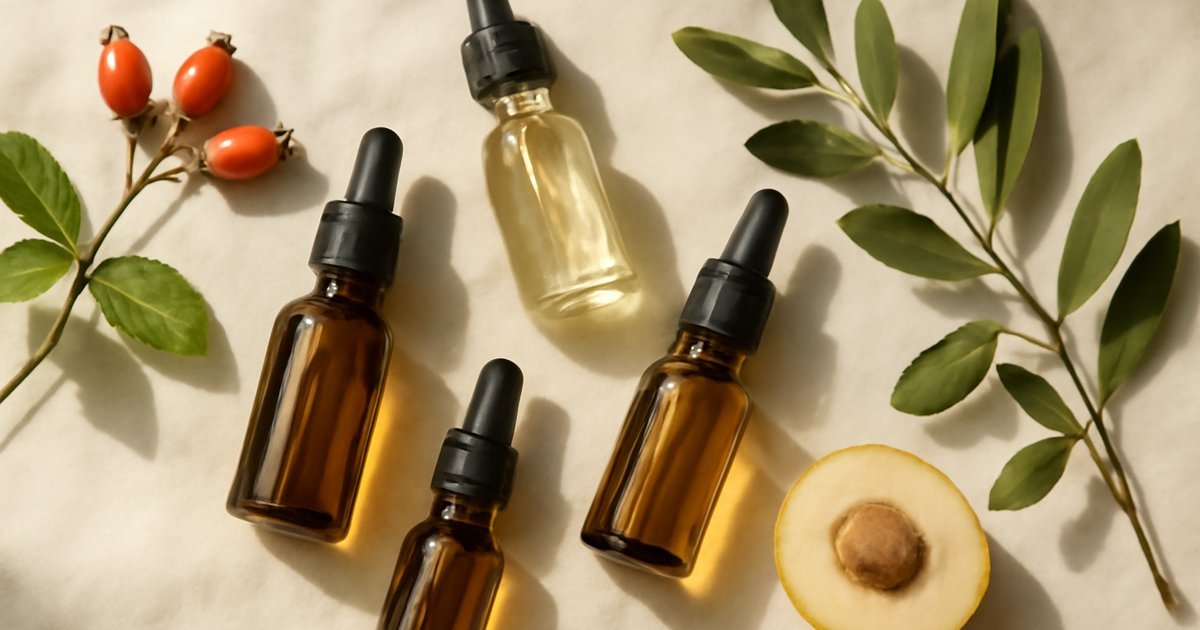
I avoided face oils for years — convinced they’d turn my already-combination skin into an oil slick. Then a dermatologist friend finally talked me into trying one. Within two weeks, my skin looked more balanced, not less.
If you’ve ever stood in the skincare aisle staring at a bottle of face oil wondering whether it’ll help or completely wreck your complexion, you’re not alone. Face oils have had a complicated reputation — simultaneously praised by estheticians and feared by anyone who’s ever dealt with a breakout or a shiny T-zone.
But here’s the truth: the right face oil can transform your skin, whether you’re dry, oily, sensitive, or somewhere in between. The wrong one? Yeah, that’s where things go sideways. This guide breaks down exactly how face oils work, which ones suit which skin types, and how to actually layer them into a routine without guessing. By the end, you’ll know precisely what to reach for — and what to leave on the shelf.
Why Face Oils Actually Matter in Your Skincare Routine
There’s a reason face oils have been used in skincare rituals for centuries — from ancient Egyptian argan and castor oil treatments to Ayurvedic facial massage practices. They’re not a trend. They’re a foundational category that modern skincare has only recently started taking seriously again.
So what do they actually do? Face oils primarily work by reinforcing the skin’s lipid barrier — the outermost protective layer that keeps moisture in and environmental irritants out. According to research published by the American Academy of Dermatology, a compromised lipid barrier is one of the leading contributors to dryness, sensitivity, redness, and even acne flare-ups. Oils can help fill in the gaps in that barrier with fatty acids your skin may be lacking.
Unlike moisturizers, which are water-based and focus on hydration, oils are occlusive and emollient — they seal in moisture and soften the skin’s surface. That’s why the two work best together, not as replacements for each other. And no, oil doesn’t automatically mean breakouts. The relationship between face oils and acne is far more nuanced than that.
Understanding Your Skin Type Before You Shop
The biggest mistake people make with face oils is buying based on marketing rather than skin biology. Before you spend $60 on a luxury facial oil, it pays to understand what your skin actually needs — and what it’s already producing too much of.
A 2023 study from Stanford’s dermatology research department found that most adults misidentify their skin type, often confusing dehydrated skin (lacking water) with dry skin (lacking oil). This distinction matters enormously when choosing a face oil.
Dry skin lacks sebum production and needs richer, more occlusive oils like marula, avocado, or rosehip to compensate. Oily skin overproduces sebum — often because the barrier is compromised — and responds surprisingly well to lightweight, non-comedogenic oils like squalane or jojoba, which mimic the skin’s natural sebum and can signal it to calm down. Combination skin benefits from balancing oils applied strategically. Sensitive skin needs fragrance-free, low-reactivity options like bakuchiol-infused oils or pure squalane.
Take one week to observe your skin at different times of day before committing to an oil. Notice where it’s tight, where it’s shiny, and where it feels perfectly comfortable. That map is your shopping guide.
The Best Face Oils by Skin Type (What Actually Works)
Let’s get specific. Here’s a breakdown of the most researched, widely available face oils and which skin types they’re genuinely suited for — based on their fatty acid profiles, comedogenic ratings, and real-world performance.
For dry skin: Marula Oil and Rosehip Oil
Marula oil is rich in oleic acid (omega-9), making it deeply nourishing without feeling heavy. It absorbs quickly and works especially well at night. Rosehip oil, packed with linoleic acid and vitamin A precursors, also supports cell turnover — a bonus if you’re dealing with dullness or uneven texture. If you’re over 35 and experiencing dry skin alongside early signs of aging, rosehip is worth trying first. You can also explore how ceramides in skincare pair well with these oils to reinforce barrier repair.
For oily and acne-prone skin: Squalane and Jojoba Oil
Squalane (derived from sugarcane or olives) is the gold standard for oily skin. It has a comedogenic rating of zero, meaning it won’t clog pores — and because it closely resembles the skin’s own squalene, it absorbs without any greasy residue. Jojoba is technically a wax ester, not an oil, which makes it uniquely compatible with human sebum. Both help regulate oil production over time. If you’re managing breakouts alongside oiliness, check out a complete acne-prone skin care routine for a more holistic approach.
For sensitive or reactive skin: Sea Buckthorn and Bakuchiol-Infused Oils
Sea buckthorn, used in very small amounts (it’s intensely orange), is rich in omega-7 and known for its anti-inflammatory properties. For sensitive skin that can’t tolerate actives like retinol, bakuchiol oil blends offer a gentler path to firming and anti-aging support. Always patch test for 48 hours before applying anything new to reactive skin.
For combination skin: Argan Oil
Argan has a balanced fatty acid profile — roughly equal parts oleic and linoleic acid — which makes it versatile enough for combination skin. It hydrates dry patches without overwhelming oily zones. Apply it with a light hand and let it absorb before moisturizing.
How to Layer Face Oils Into Your Existing Routine
One of the most common points of confusion: where exactly does a face oil fit in your skincare lineup? The rule of thumb from most dermatologists is to apply products from thinnest to thickest consistency. Since oils are typically thicker than serums but thinner than heavy creams, they usually go on after your treatment serums and before your moisturizer — or as the final step if your moisturizer is lightweight.
According to Consumer Reports’ skincare panel, applying a face oil before moisturizer can actually enhance the moisturizer’s effectiveness by creating a slightly occlusive layer that traps the water-based hydration underneath. That’s why the two work synergistically rather than redundantly.
Here’s a practical layering sequence for nighttime use:
- Cleanser
- Toner or essence (if you use one)
- Treatment serums (vitamin C, niacinamide, etc.) — learn more about niacinamide’s role in your routine
- Face oil (2-3 drops, pressed gently into skin)
- Moisturizer or overnight mask
In the morning, keep it simpler. A single drop of squalane blended into your moisturizer is enough for most people. Always finish with SPF during the day — oils do not provide sun protection.
Two to three drops is genuinely all you need. Using more doesn’t increase benefits; it mostly just increases greasiness.
Common Mistakes People Make With Face Oils
Even with the right oil for your skin type, there are a few ways things can go wrong. Here are the pitfalls worth knowing before you start:
1. Using a high-comedogenic oil on acne-prone skin. Coconut oil, wheat germ oil, and certain flaxseed oils have high comedogenic ratings — they’re notorious for clogging pores in people who are breakout-prone. Just because an oil is natural doesn’t mean it’s non-comedogenic. Always check the rating before trying something new on acne-prone zones.
2. Applying oil to completely dry skin. Face oils work best when skin is slightly damp — this helps the oil emulsify slightly and absorb more evenly. Apply right after your toner or serum while your skin still has some moisture on it. Pressing it into bone-dry skin can lead to uneven distribution and a greasy finish.
3. Expecting immediate results. Unlike a hyaluronic acid serum that plumps skin within an hour, face oils work gradually by supporting barrier function over time. Give any new oil at least three to four weeks before assessing whether it’s working.
4. Ignoring fragrance in the formula. Lots of face oils include essential oils or botanical extracts for scent — lavender, rose, citrus. These can be sensitizing, especially if you’re using the oil daily. If your skin is reactive, choose fragrance-free or unscented options.
5. Mixing oil with SPF incorrectly. Adding a face oil directly into your sunscreen can dilute the UV filters and reduce protection. Apply them as separate layers — oil first, then sunscreen on top — or skip oil entirely in your morning routine if you’re already using a moisturizing SPF.
Frequently Asked Questions About Face Oils
Can face oils replace moisturizer?
Not really. Oils lack water content, so they can’t hydrate skin the way a water-based moisturizer does. They seal and protect, but they don’t add hydration on their own. Use them together for best results, not as a swap.
Will face oil make my oily skin worse?
Not if you choose the right one. Lightweight, non-comedogenic oils like squalane and jojoba can actually help regulate sebum production over time. Start with one drop mixed into your moisturizer to ease in gradually.
How often should I use a face oil?
For most skin types, once daily — typically at night — is a great starting point. Some people with very dry skin use it morning and night. If you’re oily or acne-prone, start with every other night and observe how your skin responds.
Are expensive face oils worth it?
Sometimes, but not always. Cold-pressed, organic oils from quality brands do tend to have more intact fatty acids and antioxidants. That said, a well-reviewed $18 bottle of squalane from a clean beauty brand can outperform a $90 blended facial oil with ten unnecessary additives. Read ingredient lists, not price tags.
Can I use face oil around my eyes?
Some oils — like squalane and rosehip — are gentle enough for the orbital area and can complement your eye care routine. Avoid anything with essential oils or strong actives close to the eyes, and always apply with your ring finger using the lightest pressure.
Your Next Step Toward Better Skin
Face oils aren’t magic — but they’re also not the skin saboteurs they’ve been made out to be. When you match the right oil to your actual skin type, layer it correctly, and give it time to work, it can become one of the most effective tools in your routine. The key is specificity: knowing your skin, reading the ingredients, and resisting the urge to over-apply.
Start simple. Pick one oil from the recommendations above based on your skin type, use two to three drops at night for a month, and pay attention to how your skin responds. That’s it. You don’t need a ten-step system — you need the right ingredients working together consistently.
Your skin already knows how to heal and balance itself. A good face oil just gives it a little backup.