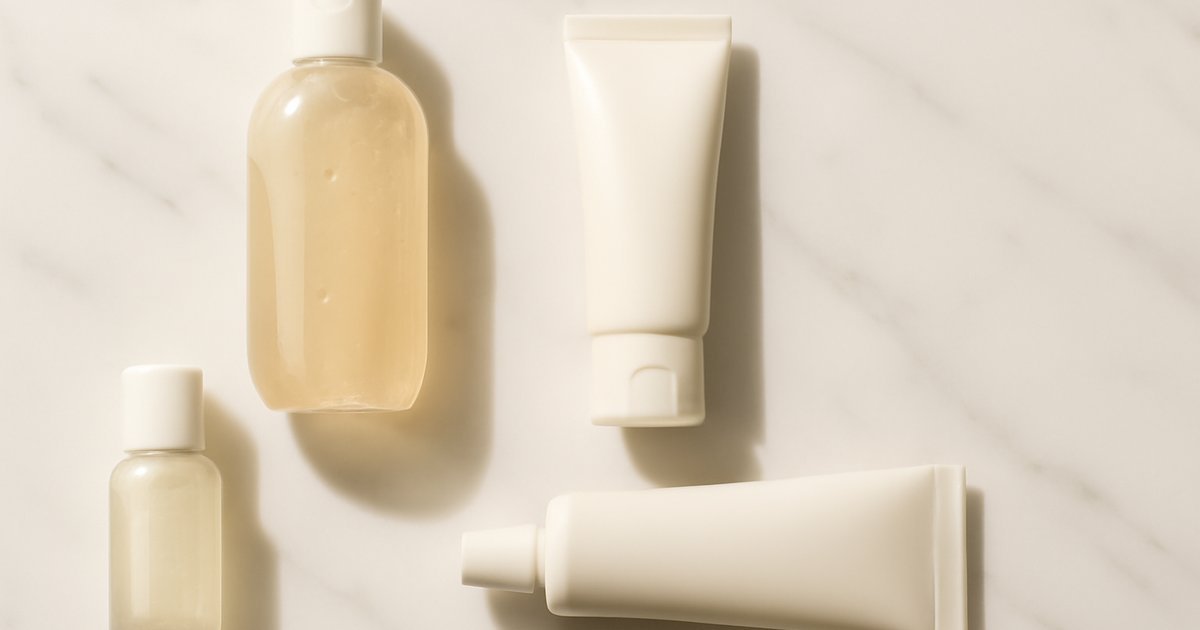
I spent years fighting breakouts with every trendy product I could find — until I stopped overcomplicating everything and built a routine that made sense for my skin.
If you’ve ever stood in the skincare aisle feeling completely overwhelmed — retinol in one hand, salicylic acid toner in the other, wondering if you’re about to make things worse — you’re not alone. Acne-prone skin is one of the most misunderstood skin types out there, and the internet’s obsession with 10-step routines has made it even harder to know where to start.
Here’s the honest truth: most people with acne-prone skin are using too many products, layering actives incorrectly, and accidentally triggering more breakouts in the process. According to the American Academy of Dermatology, acne affects up to 50 million Americans annually — and many adults in their 30s, 40s, and even 50s are dealing with it for the first time in their lives.
This guide is going to walk you through a streamlined, effective acne-prone skin care routine built on dermatologist-backed principles, honest product guidance, and real-world practicality. No gimmicks. No 12-step chaos. Just a routine that actually works.
Why Acne-Prone Skin Needs a Different Approach
Here’s what most skincare content gets wrong: acne-prone skin isn’t just “oily skin that breaks out.” It’s a skin type characterized by clogged pores, excess sebum production, bacterial imbalance, and often a compromised skin barrier — all of which require a very specific, balanced approach.
A 2023 study published in the Journal of the American Academy of Dermatology found that adults who used more than five skincare products daily were significantly more likely to experience product-induced irritation that mimicked or worsened acne. That stat hit home for me. I was using eight products at one point and couldn’t understand why my skin was getting worse, not better.
The real problem with most acne routines is that they go too aggressive too fast. Harsh scrubs, stacked acids, and alcohol-heavy toners strip your skin’s natural oils, which triggers even more oil production as compensation. Your skin panics. You break out more. You add more products. It becomes a cycle that’s incredibly hard to break.
The solution isn’t about finding the strongest acne product — it’s about building a balanced routine that treats existing breakouts, prevents new ones, and keeps your skin barrier intact. If you’ve been dealing with irritation or sensitivity alongside your breakouts, you may also want to check out this guide on how to repair your skin barrier — it’s often the missing piece.
Step One: The Foundation — Cleanser and Toner Done Right
Your acne-prone skin care routine lives or dies by your cleansing step. If you’re using the wrong cleanser, nothing else you put on your face will work properly — because you’re either starting with residue still on your skin or you’ve already stripped it dry before you’ve even begun.
Dermatologists at the Mayo Clinic consistently recommend gentle, non-comedogenic gel or foaming cleansers for acne-prone skin. Look for ingredients like salicylic acid (0.5–2%) for mild exfoliation inside the pore, or benzoyl peroxide (2.5%) for antibacterial action. Both are effective — the key is not combining both in the same routine step when you’re just starting out.
Some solid options that have earned trust over the years:
- CeraVe Foaming Facial Cleanser — affordable, non-stripping, includes niacinamide
- La Roche-Posay Effaclar Medicated Gel Cleanser — salicylic acid formula, great for oily zones
- Neutrogena Oil-Free Acne Wash — classic and reliable, especially for teens and young adults
After cleansing, skip the traditional alcohol-based toner. Instead, if your skin needs extra pore support, a gentle BHA toner (like Paula’s Choice Skin Perfecting 2% BHA Liquid) applied only to problem areas a few times per week can help keep pores clear. Apply it with your fingertips — not a cotton pad — to avoid unnecessary friction and waste.
One honest trade-off: salicylic acid toners can be drying for some people. If you notice flaking or tightness after two weeks, dial back to twice a week or look for a lower concentration. Your skin will tell you what it can handle.
Step Two: Treatment — Targeting Breakouts Without Torching Your Skin
This is where most acne routines either shine or fall apart completely. The treatment phase is your opportunity to address active breakouts, reduce inflammation, and prevent new congestion — but only if you’re strategic about which ingredients you use and when.
According to Consumer Reports, the most clinically proven over-the-counter acne ingredients are benzoyl peroxide, salicylic acid, and adapalene (a retinoid available OTC as Differin). Each one works differently, and understanding the difference matters.
- Benzoyl peroxide kills acne-causing bacteria (P. acnes) at the source. Best used as a spot treatment or leave-on treatment on affected areas. Start at 2.5% — just as effective as higher concentrations, with significantly less irritation.
- Salicylic acid dissolves inside the pore to clear out debris and reduce blackheads and whiteheads. Better for non-inflamed acne and congestion.
- Adapalene (Differin Gel) regulates skin cell turnover to prevent clogs from forming in the first place. It’s a long-game ingredient — expect 8–12 weeks before you see the full benefit.
The golden rule here: pick one targeted treatment per routine, not all three simultaneously. If you’re using adapalene at night, don’t stack a benzoyl peroxide wash on top. Give your skin time to adjust. I made this mistake for years, and the combination left my face red, dry, and peeling — which actually caused more breakouts from the compromised barrier.
A helpful companion read here: our niacinamide skincare guide breaks down how this anti-inflammatory ingredient can calm redness around breakouts without interfering with your acne treatments.
Step Three: Moisturizer and SPF — the Non-Negotiables
This is the step that acne-prone skin sufferers skip most often — and it’s the biggest mistake you can make. If you have acne-prone skin, you absolutely still need to moisturize daily, no exceptions.
A 2022 study from Stanford Medicine found that dehydrated skin produces more sebum to compensate for moisture loss, which directly increases pore congestion. Skipping moisturizer in hopes of “drying out” acne is one of the most persistent myths in skincare — and it actively makes things worse.
What you want is a lightweight, oil-free, non-comedogenic moisturizer that hydrates without clogging. Great options:
- Neutrogena Hydro Boost Water Gel — hyaluronic acid-based, absorbs fast, no heavy residue
- CeraVe AM Facial Moisturizing Lotion with SPF 30 — combines your moisturizer and sun protection in one step
- EltaMD UV Clear SPF 46 — dermatologist-favorite, specifically formulated for acne-prone and sensitive skin
Speaking of SPF — this is non-negotiable for acne-prone skin, especially if you’re using any active ingredients like adapalene or salicylic acid. Both increase photosensitivity, and UV exposure can make post-acne marks (hyperpigmentation) significantly darker and harder to fade. Apply SPF every single morning, rain or shine. No excuses, no skipping.
Common Mistakes That Sabotage Your Acne Routine
After years of trial, error, and honestly some pretty rough skin months, here are the most common mistakes I see people make — and that I’ve made myself.
1. Over-washing your face. Washing more than twice a day strips your natural moisture barrier and signals your skin to produce more oil. Stick to morning and night — or just at night if your skin is on the drier end.
2. Picking and popping. This one is hard to stop but critical. Popping a pimple pushes bacteria deeper into the pore, increases inflammation, and dramatically raises your risk of post-acne scarring. Use a hydrocolloid patch instead — brands like Mighty Patch are affordable and genuinely effective.
3. Skipping moisturizer because your skin feels oily. As mentioned above, this backfires every time. Oily skin is dehydrated skin trying to compensate. Feed it the lightweight hydration it needs.
4. Switching products too fast. Most acne treatments need 6–12 weeks of consistent use before you can judge whether they’re working. Changing your entire routine every three weeks means you’ll never know what’s actually helping — or hurting.
5. Ignoring your pillowcase and phone screen. Both accumulate oil, bacteria, and skincare product residue. Change your pillowcase at least twice a week, and wipe your phone screen daily. These are small changes that make a surprisingly real difference.
6. Using face wipes as a cleanser. Micellar water and face wipes are great for a quick refresh, but they don’t actually clean your pores. Always follow with a proper cleanser at the end of the day.
Frequently Asked Questions About Acne-Prone Skin Care
Q: How long does it take for a new acne-prone skin care routine to show results?
A: Most dermatologists recommend giving any new routine at least 6–8 weeks before evaluating results. Active ingredients like adapalene can take up to 12 weeks for full effect. Patience is genuinely the hardest — and most important — part of treating acne.
Q: Can I use face oil if I have acne-prone skin?
A: Yes, but choose carefully. Non-comedogenic oils like squalane or rosehip seed oil can actually support your skin barrier without clogging pores. Avoid coconut oil, which is highly comedogenic and well-known for triggering breakouts in acne-prone skin types.
Q: Should I exfoliate if I have acne?
A: Chemical exfoliation with BHAs (like salicylic acid) can be beneficial for acne-prone skin. Physical scrubs, however, are generally too abrasive and can spread bacteria and cause micro-tears. Learn more in our guide on facial exfoliation — how often and what type.
Q: Is adult acne different from teenage acne?
A: Often, yes. Adult acne tends to be more hormonal, appearing around the chin and jawline. It’s also more likely to be accompanied by dryness or sensitivity, which means overly aggressive acne treatments can cause more harm than good. Gentler, targeted routines work better for adults.
Q: Do I need a prescription to treat acne effectively?
A: Not necessarily. Many adults see significant improvement with consistent OTC routines. However, if you’re dealing with cystic acne, hormonal acne that doesn’t respond to OTC treatment, or significant scarring, a board-certified dermatologist can prescribe stronger topicals or oral medications that make a meaningful difference.
Build the Routine That Works for Your Skin, Not Everyone Else’s
Here’s what I want you to walk away with: there is no one-size-fits-all acne routine. The best acne-prone skin care routine is the one that’s consistent, simple enough to stick with, and built around what your specific skin actually needs — not what went viral on social media this week.
Start with a gentle cleanser, one targeted treatment, a lightweight moisturizer, and daily SPF. Add ingredients gradually, give each one real time to work, and pay attention to how your skin responds. Track what you’re using. Notice patterns.
Real skin improvement is slow, quiet, and cumulative — not dramatic or overnight. But when you finally find the routine that fits, you’ll know it. Your skin will feel calmer, clearer, and more like yours. That’s worth every patient, intentional step.